

Bamboo isn’t just fast-growing—it’s ultra-fast. Some species can grow up to 91 cm (36 inches) in just 24 hours. That’s over an inch an hour!
In just a few months, a bamboo shoot can reach full height—sometimes over 60 feet tall—and be ready to harvest in three years. In comparison, hardwood trees take 20 to 50 years to mature. That makes bamboo a super renewable resource, ideal for sustainable materials and carbon capture.
Main Takeaways
- Bamboo Grows Like Lightning: Some bamboo species can grow over 3 feet in a single day, reaching full height in just months and harvest maturity in about 3 years—making it one of the most renewable plants on Earth.
- A Natural Carbon Vacuum: Bamboo can absorb up to 12 tons of CO₂ per hectare per year—more than many forests. When used in construction, it locks away that carbon for decades.
- Soil Saver and Water Retainer: Its deep roots prevent erosion, retain moisture, and improve soil health. Bamboo even helps restore degraded land and reduce drought impacts.
- Pollution Fighter: Bamboo and its biochar can remove heavy metals from polluted soil, trap toxins, and improve crop yields—acting like a natural detox for damaged land.
- Stronger Than Steel: Bamboo’s fibre structure makes it incredibly strong and flexible. It’s used in construction—especially in earthquake-prone areas—thanks to its shock-absorbing abilities.
- It’s on the Menu: Young bamboo shoots are edible, tasty, and packed with fibre, antioxidants, and nutrients. They support digestion, lower cholesterol, and may regulate blood sugar.
- Eco-Friendly Everything: Bamboo is being used in over 1,500 products—from bicycles and surfboards to furniture, fabrics, and kitchenware. It’s strong, light, and endlessly versatile.
- The Plastic Alternative: Bamboo is replacing plastic in toothbrushes, cutlery, packaging, and more. It’s biodegradable, breaking down in months—not centuries like conventional plastic.
- Wearable and Washable: Bamboo fabric is soft, breathable, and naturally antibacterial—even after multiple washes. It’s rising in the sustainable fashion industry.
Bamboo vs. Climate Change
If we’re serious about tackling climate change—and we should be—then bamboo needs a major place in the conversation. While much of the spotlight falls on reforestation, bamboo offers an equally powerful, often overlooked solution.
Unlike most trees that take decades to mature, bamboo grows incredibly fast, reaching full height in just months and becoming harvest-ready in about three years. This rapid growth fuels an impressive capacity to absorb carbon dioxide (CO₂) from the atmosphere.
A mature bamboo grove doesn’t just keep up with trees—it often outperforms them. In fact, bamboo can absorb up to 12 tons of CO₂ per hectare per year, depending on the species and growing conditions. That’s roughly equivalent to the annual emissions of two gasoline-powered cars—captured and stored every single day by just one grove.
Even more compelling is bamboo’s potential to lock that carbon away long-term. When bamboo is harvested and used in construction, furniture, or durable goods, the carbon it captures is effectively sequestered for years, even decades. Compare that to many trees, where carbon is often re-released through decay or burning.
In China—home to the largest bamboo resources on Earth—certain bamboo forests are storing two to three times more carbon than the average global forest. This includes both above-ground biomass (the culms and leaves) and below-ground roots, which remain alive and active even after harvesting, allowing for continuous regrowth without replanting.
This unique growth cycle allows bamboo to be harvested sustainably without harming the plant, making it a renewable carbon sink that continues to provide benefits.
Soil and Water Cleanup
Bamboo doesn’t just look good growing in the landscape—it actually transforms the ground it grows in. This plant has a powerful, often underappreciated impact on soil health, water retention, and even the cleanup of pollution.
Let’s start with its root system. Bamboo’s dense network of underground rhizomes (horizontal roots) is like an anchor for the soil. These roots hold the soil tightly together, making bamboo an excellent natural defence against erosion, especially on slopes, riverbanks, and areas prone to landslides.
In regions hit by deforestation or agriculture-induced soil loss, planting bamboo can stabilize the land almost like stitching a wound shut.
But it doesn’t stop there. Bamboo roots also help retain moisture, creating microenvironments that support surrounding plant life. This makes it a valuable tool in drought-prone areas where maintaining soil hydration is a challenge. The roots improve the soil’s structure, allowing water to infiltrate more efficiently and reducing the need for artificial irrigation.
Bamboo as Nature’s Soil Filter
One of bamboo’s most fascinating roles is in phytoremediation—the use of plants to clean up contaminated soil. When grown in polluted environments, bamboo not only survives—it helps heal.
By converting bamboo into biochar (a form of charcoal made by heating organic matter in the absence of oxygen), it becomes an even more potent soil ally. This bamboo biochar acts like a sponge and magnet combined:
- It binds heavy metals like lead, cadmium, and zinc, preventing them from leaching into groundwater or being taken up by crops.
- It traps toxins, locking them away safely within the soil matrix.
- And it improves soil fertility by increasing pH balance and acting as a home for beneficial microbes.
Scientists have found that soil treated with bamboo biochar can:
- Increase crop yields
- Improve nutrient cycling
- Enhance microbial biodiversity
- Reduce the need for chemical fertilizers
Strong and Flexible
You’ve seen bamboo scaffolding on skyscrapers in Asia—and for good reason. On a weight-for-weight basis, bamboo can be stronger than steel and more durable than concrete.
Its unique internal structure—long fibres bound by tough lignin—makes it perfect for homes, bridges, floors, and furniture. Bamboo poles aged 3 to 4 years offer the optimal combination of strength and flexibility, making them ideal for construction and disaster-resilient buildings.
Bamboo bends—but doesn’t break. That’s not just a proverb. It’s science. Its natural fibre arrangement makes it incredibly resilient to wind, weight, and even earthquakes.
This flexibility is why bamboo is a go-to material for structures in earthquake-prone regions. Unlike brittle materials, bamboo can flex and absorb shock—making it both a practical and poetic building block.
On the Menu: Edible Bamboo Shoots
Bamboo isn’t just a powerhouse in construction and climate action—it also has a place at the dinner table. In fact, young bamboo shoots have been a beloved delicacy across many Asian countries for centuries, and their popularity is now spreading to parts of Africa and beyond.
When harvested early, before the shoots grow tough and woody, bamboo offers a mild, crunchy texture and slightly sweet, nutty flavour. It’s commonly featured in stir-fries, soups, pickles, and even curries, especially in cuisines from China, Japan, Thailand, Vietnam, and India.
But bamboo shoots aren’t just tasty—they’re nutritionally good, too.
What Makes Bamboo Shoots a Superfood?
Here’s what’s packed inside those tender, pale spears:
- High fibre – Great for digestive health and keeping you feeling full.
- Low fat and calories – Ideal for weight-conscious diets.
- Rich in antioxidants – Especially phenolic compounds that fight inflammation and oxidative stress.
- Vitamins and minerals – including potassium, calcium, magnesium, and vitamin B6.
Modern studies and traditional medicine agree that bamboo shoots are linked to a variety of health benefits, including:
- Lowering bad cholesterol (LDL) – Thanks to their fibre and phytosterols.
- Improving digestion – The insoluble fibre supports healthy gut function and may help prevent constipation.
- Balancing blood sugar – With a low glycemic index and compounds that may support insulin sensitivity.
- Supporting heart health – By reducing lipid levels and promoting healthy blood pressure.
Raw bamboo shoots naturally contain cyanogenic glycosides, compounds that can release small amounts of cyanide. Don’t panic—this is easily neutralized by boiling or soaking before consumption. That’s why cooked bamboo shoots are completely safe and widely eaten across the world.
From Forest Floor to Factory Floor
Think bamboo is just for pandas and backyard fences? Think again. What was once seen as a humble material for chopsticks and garden stakes is now being reimagined in over 1,500 commercial products—and the list continues to grow.
Thanks to its unique combination of strength, flexibility, lightweight nature, and sustainability, bamboo has become a darling of modern designers, eco-conscious entrepreneurs, and large manufacturers alike.
Bamboo is now making its way into some of the most unexpected—and cutting-edge—products:
- Bicycle frames: Yes! Bamboo’s natural shock-absorbing properties and strength-to-weight ratio make it an excellent, sustainable alternative to steel or aluminium for bicycle frames.
- Skateboards and surfboards: Light, strong, and water-resistant, bamboo provides the perfect flex and resilience for board sports gear.
- Musical instruments: From flutes and drums to guitar necks and didgeridoos, bamboo’s acoustic properties and natural resonance make it a favourite among instrument makers around the world.
- Electronics: Bamboo is now being used in the casings for speakers, headphones, keyboards, and even phone accessories. It brings a warm, earthy aesthetic with minimal environmental impact.

Bamboo in Everyday Life
Beyond high-tech applications, bamboo is showing up in everyday items with a fresh, modern twist:
- Home goods and furniture: Bamboo chairs, tables, shelves, and even flooring are popular due to their natural beauty, durability, and renewability. Bamboo furniture is often stronger than hardwood yet significantly lighter and faster to produce.
- Kitchenware: From cutting boards and bowls to utensils and straws, bamboo is replacing plastic in kitchens around the world. It’s heat-resistant, dishwasher-friendly, and doesn’t absorb flavours or stains easily.
- Textiles: Using a process that turns bamboo pulp into viscose or lyocell, this plant is being transformed into soft, breathable fabrics for clothes, towels, and even baby diapers. It’s hypoallergenic, naturally antibacterial, and gentle on sensitive skin.
- Paper and notebooks: Bamboo pulp is now used in sustainable paper production—cutting down fewer trees, requiring less water, and biodegrading naturally. Bamboo toilet paper, tissues, and notebooks are gaining traction worldwide.
A Plastic Alternative
Perhaps bamboo’s most exciting role today is as a biodegradable alternative to plastic. It’s showing up in:
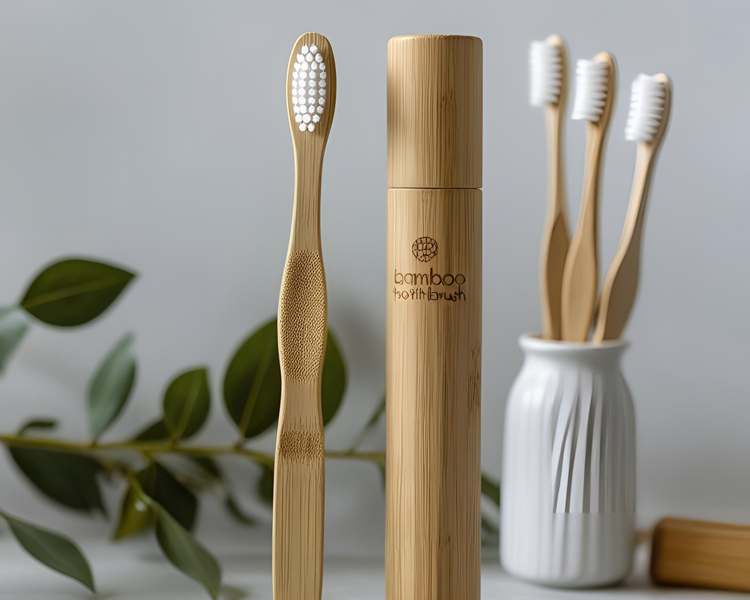
- Toothbrush handles
- Disposable cutlery
- Packaging materials
- Coffee cup lids
- Plant-based composite plastics
Unlike conventional plastic, which takes hundreds of years to decompose, bamboo-based alternatives can break down in months under the right conditions—without polluting ecosystems or oceans.
Wear bamboo? Yes, You Can
Bamboo textiles are soft, breathable, and naturally antibacterial. The secret lies in its lignin content, which gives it anti-microbial and UV-blocking properties.
Even after 20 washes, the bamboo fabric retains nearly 90% of its antibacterial power. It also provides superior sun protection, making it a favourite for eco-fashion brands.
Conclusion
Bamboo is fast-growing, resilient, and remarkably versatile. From its ability to capture massive amounts of carbon to its power to heal degraded land and replace polluting plastics, bamboo offers real, scalable solutions to some of the planet’s most urgent problems.
Bamboo can help rethinking how we build, eat, manufacture, and live—using nature’s own design for strength, regeneration, and sustainability.
So whether you’re sipping from a bamboo straw, walking on bamboo flooring, wearing bamboo fabric, or just learning about its incredible benefits, remember this: bamboo is more than a plant.