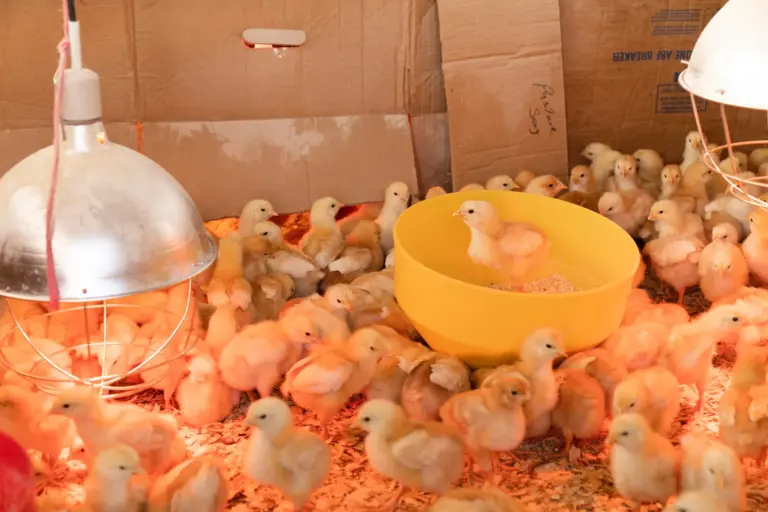

Whether you’re a seasoned farmer or a backyard poultry enthusiast, creating the right environment for your chickens is paramount to their health, productivity, and overall well-being. Understanding their needs is important, and in this guide, we will take you through the fundamental needs of chickens and the vital elements that should be considered when designing your coop.
Once these broad needs are identified, it is time to delve into the specifics of what elements to include in your chicken coop.
Before discussing the desirable features a chicken coop should have, we must first consider the needs of Chickens to improve their health and welfare.
Main Takeaways
- Safety First: The coop must be predator-proof with secure latches, strong fencing, and no entry gaps.
- Shelter & Comfort: A weatherproof, draft-free, and well-ventilated coop keeps chickens healthy in all seasons.
- Adequate Space: At least 4 sq ft per bird inside the coop, and 8–10 sq ft in the outdoor run to avoid stress and aggression.
- Roosts & Nesting Boxes: Provide elevated roosting bars and one nesting box for every 3–4 hens for sleep and egg-laying purposes.
- Clean Food and Water Access: Ensure feeders and waterers are spill-resistant, easily cleanable, and free from contamination.
- Bedding: Use absorbent materials like straw or shavings, and replace regularly for hygiene.
- Ventilation: Good airflow is crucial to reduce moisture, ammonia, and respiratory risks.
- Lighting: Natural or artificial light (14–16 hrs/day) supports egg production, especially in darker months.
- Climate Considerations: Heating may be needed in very cold climates, but avoid overheating.
- Enrichment & Dust Bath: Include perches, dust baths, and an outdoor area for scratching and pecking to prevent boredom.
The Needs of Chickens
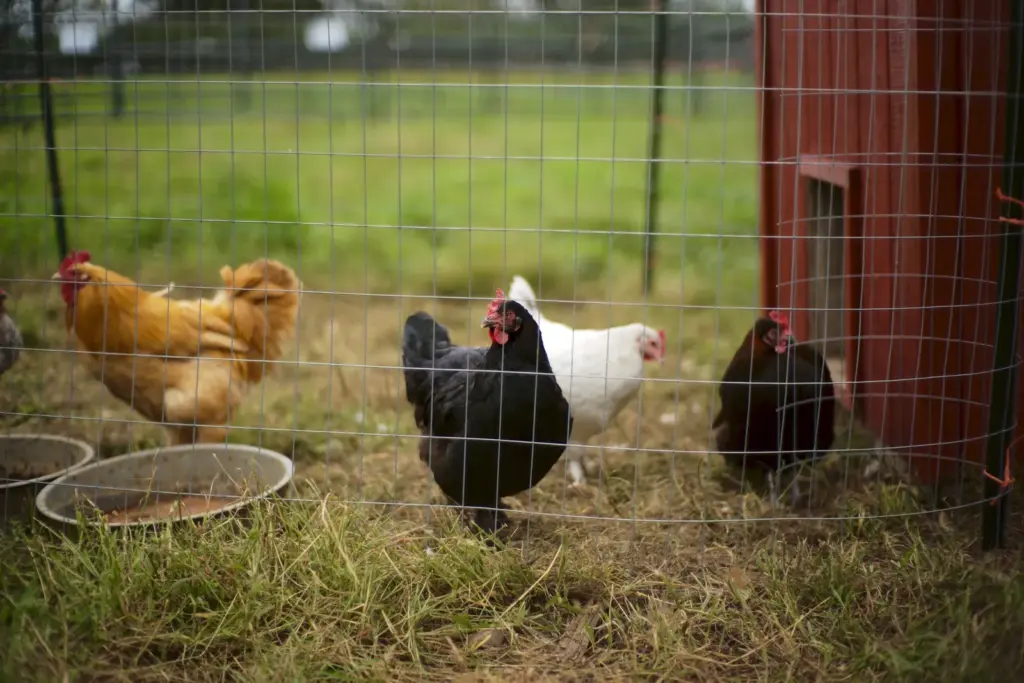
Safety and Protection: Chickens need protection from predators, so the coop must be secure. It should be sturdy, with no gaps or holes that predators can exploit. The door should have a secure latch, and if a chicken run is attached, it should be enclosed with a sturdy wire fence that is dug into the ground to prevent predators from digging under it.
Shelter and Comfort: The coop should protect from the elements. It should be watertight and provide shade in hot weather. It should also be well-ventilated to prevent the build-up of ammonia from chicken droppings, but without causing excessive drafts that may affect chickens’ health, especially in cold weather.
Space: Each chicken requires space to move around and exhibit its natural behaviors. Overcrowding can lead to stress, disease, and aggressive behaviors, such as feather pecking. As a general guideline, each chicken should have at least 4 square feet inside the coop and 8-10 square feet in an outside run.
Roosting and Nesting: Chickens need a place to sleep off the ground, so roosts should be provided. They also need nesting boxes to lay their eggs.
Food and Water: Chickens need constant access to fresh food and water. The containers should be designed to prevent contamination by droppings and be easily cleanable and accessible at any time.
Sanitation: The coop needs to be kept clean. Bedding should be used to absorb droppings and should be changed regularly. The design of the coop should facilitate easy cleaning.
Enrichment: Chickens require activities to prevent boredom and feather pecking. This might include perches, dust baths, and access to an outdoor run where they can scratch and peck at the ground.
Light: Chickens need light to regulate their laying cycles. They typically need about 14-16 hours of light daily to lay eggs consistently. This can be natural light or artificial light, which can be used in the darker months.
When setting up your farm, each group of animals is unique, and their needs may vary depending on factors such as breed, age, local climate, and whether they are being raised for meat, eggs, or both.
Features That Should Be Present in Your Coop
So, analyze your resources, number of chickens, breeds, and available space, and identify the priorities of your specific coop and chicken management system. As general guidelines, you will need the following.
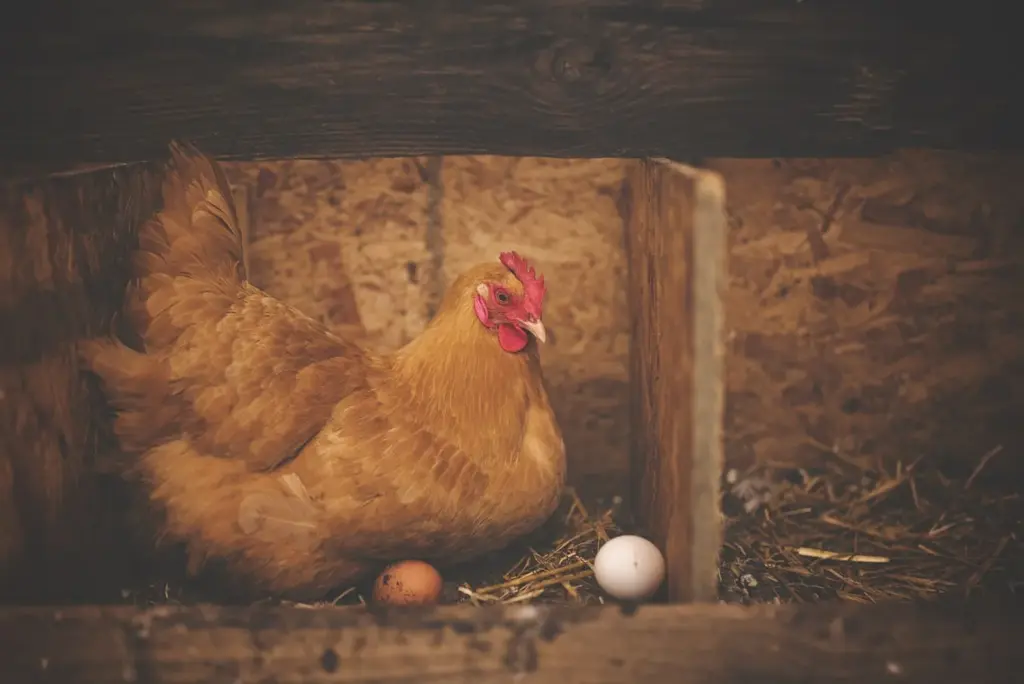
Nesting Boxes: Chickens need a quiet, dark place to lay their eggs. Ideally, one nesting box should be for every 3-4 hens. The boxes should be large enough for the hens to sit comfortably but small enough to discourage them from sleeping there.
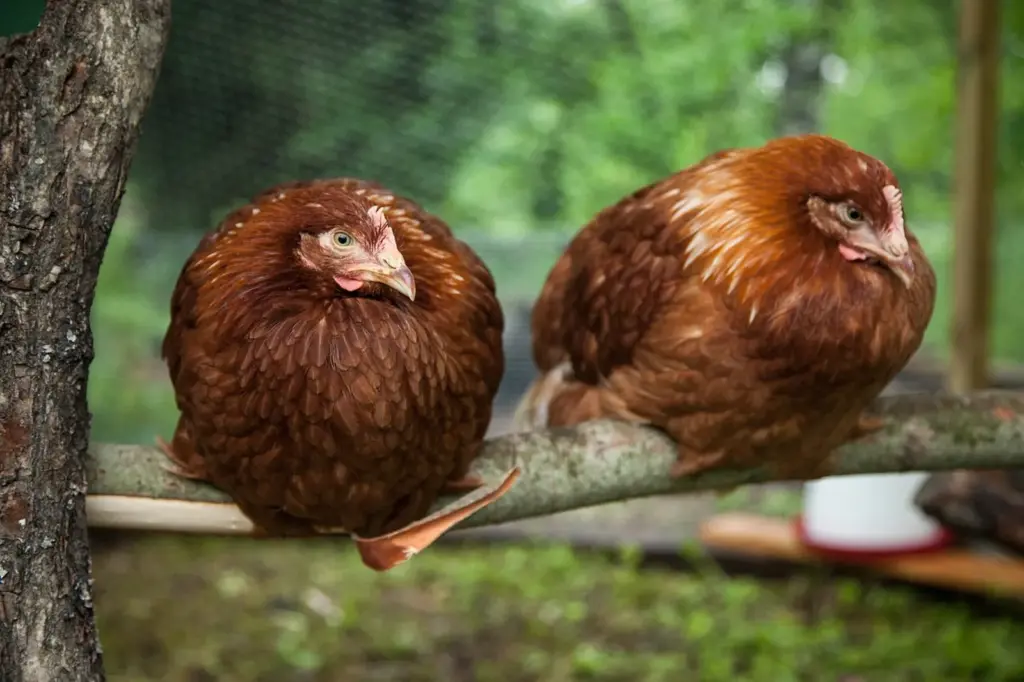
Roosts: Chickens naturally want to sleep off the ground to stay safe from predators. Provide roosting bars wide enough to comfortably perch (2-3 inches wide for full-sized breeds) and allow at least 8-10 inches of space per bird.
Ventilation: Chickens produce a significant amount of moisture and dust, which can harm their respiratory systems if not properly ventilated. Proper ventilation helps keep the coop dry, reducing the risk of diseases.
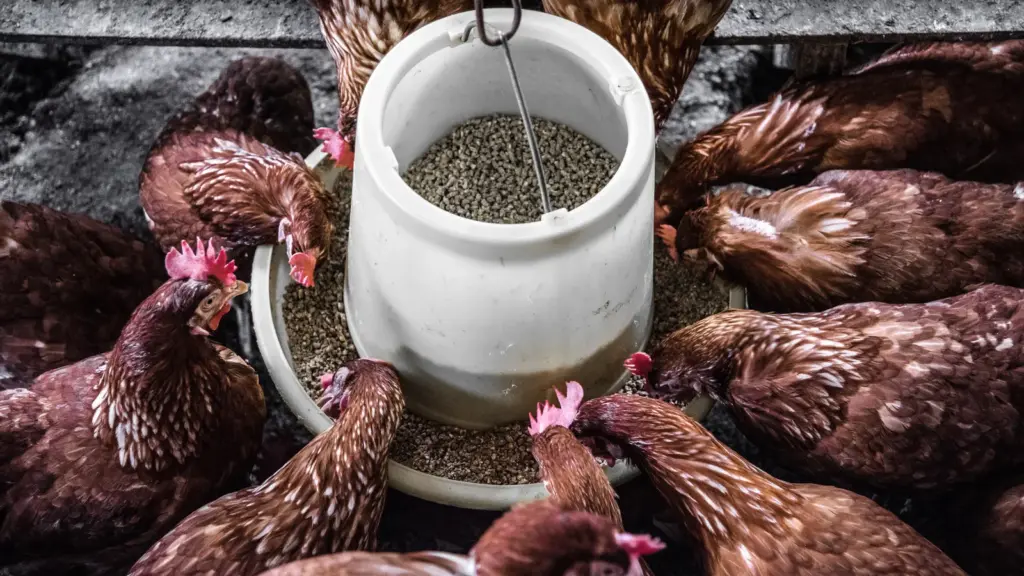
Food and Water Containers: Ensure the feeders and water systems are positioned in a safe area, away from potential fecal or other contamination, and designed to prevent spillages that may increase food wastage or create extra humidity from the water.
Bedding: Straw, wood shavings, or shredded paper are all suitable options for bedding. Bedding absorbs droppings and helps control odors. It should be cleaned out regularly to maintain hygiene.
Light: While not strictly necessary, some light (natural or artificial) is beneficial as chickens lay more eggs with more hours of light.
Heating Elements (if needed): If you live in an extremely cold climate, consider installing a heat lamp for the winter months. However, chickens are generally quite hardy, and overheating can be a greater risk than them being cold.
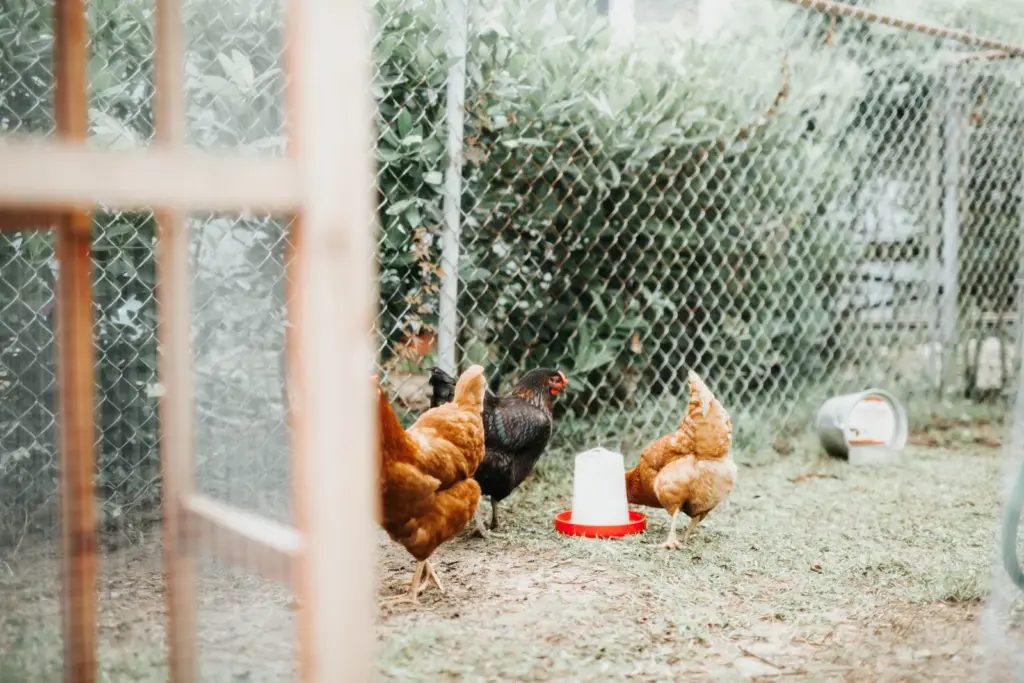
Predator Proofing: While technically an outside factor, predator-proofing is important enough to include here. This means the coop should have a latch, and windows or vents should be covered with predator-proof wire.
Dust Bath Area: A dust bath area would be beneficial if space allows. Chickens naturally dust bathe to keep their feathers clean and free from parasites.
CONCLUSIONS
In conclusion, designing and setting up a chicken coop requires careful consideration of your chickens’ needs for safety, comfort, space, roosting and nesting, food and water, sanitation, enrichment, and adequate lighting. Like managing other farm animals, it’s about creating a safe and nurturing environment that caters to your chickens’ basic needs, promotes their health and productivity, and contributes to their overall welfare.
As each flock is unique, it’s essential to understand the specific needs of your chickens based on their breed, age, purpose, and the local climate. Consider these factors when deciding on the elements to include in your chicken coop. Each piece supports your chickens’ well-being, from the right nesting boxes, roosts, and bedding to adequate ventilation, predator-proofing, and perhaps a dust-bath area.
Remember, your flock’s health, productivity, and happiness depend on you and the environment you create for them. So, be mindful, creative, and responsive to their needs.