
In recent years, bamboo fabrics have increased in popularity, often touted as a sustainable alternative to traditional textiles. Among them, viscose bamboo stands out for its silky softness, breathable texture, and eco-friendly image.
But what exactly is viscose bamboo, and how sustainable is it really? Despite its natural origin, viscose bamboo undergoes an intensive chemical process that raises questions about its environmental and ethical impact.
Main takeaways
- Viscose bamboo is a semi-synthetic fabric made by chemically processing bamboo cellulose.
- The production involves toxic chemicals like carbon disulfide and is resource-intensive.
- While bamboo is a sustainable crop, the viscose process reduces its eco-friendliness.
- Bamboo viscose is soft, breathable, and biodegradable under the right conditions.
- More sustainable bamboo fabrics include bamboo linen (mechanically processed) and bamboo lyocell (closed-loop process).
- Look for certifications like OEKO-TEX®, FSC, and GOTS to ensure responsible sourcing and production.
- Always check labels—”bamboo” often means viscose unless otherwise specified.
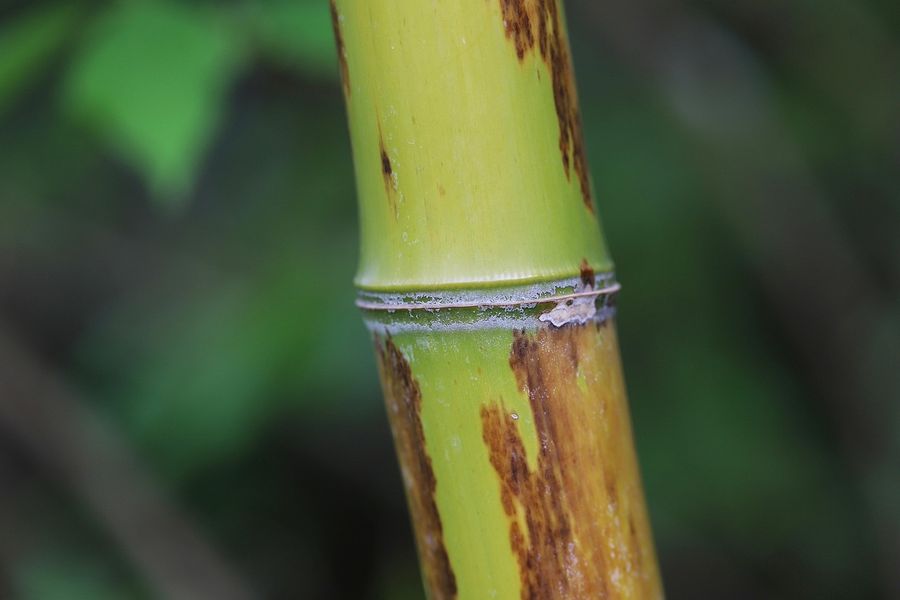
Photo By: Annette Meyer
What is Viscose Bamboo?
Viscose bamboo is a type of fabric made by chemically processing bamboo into a soft, silk-like textile. To understand what this means, it’s important to first define viscose. Viscose is a type of semi-synthetic fibre derived from natural cellulose, typically sourced from wood pulp or, in this case, bamboo.
In the case of viscose bamboo, the raw material is bamboo stalks, which are broken down to extract cellulose, the structural component of plant cell walls. This cellulose is then dissolved in a chemical solution and regenerated into fibres through a process known as the viscose process.
The result is a fabric that feels luxurious and breathable, commonly marketed as eco-friendly due to bamboo’s rapid renewability.
However, it’s important to clarify that viscose bamboo is not the same as pure or mechanically processed bamboo fabric. While it originates from bamboo, the viscose process involves heavy chemical treatment that alters the natural properties of the bamboo plant. The final product bears little resemblance to raw bamboo and is more accurately categorized as a regenerated cellulose fibre rather than a natural or organic bamboo textile.
The Manufacturing Process
Transforming bamboo into viscose fabric is a complex process that involves natural raw materials and intensive chemical treatment. Below is a step-by-step breakdown of how bamboo becomes viscose fibre:
- Harvesting Bamboo
The process begins with harvesting bamboo stalks, typically from fast-growing species like Moso bamboo. Bamboo is often praised for its sustainability at this stage—it grows quickly, requires no replanting, and thrives without the use of pesticides.
- Extracting cellulose
Once harvested, the bamboo is chipped into small pieces and cooked to separate cellulose, the fibrous component used to make viscose. This involves boiling the bamboo chips in a chemical solution to break down lignin and hemicellulose, leaving behind mostly pure cellulose pulp.
- Chemical Processing
The extracted cellulose is then subjected to a multi-step chemical process:
- Steeping: The cellulose is soaked in sodium hydroxide (caustic soda), creating an alkali cellulose.
- Aging: The alkali cellulose is left to age under controlled conditions to modify its molecular structure.
- Xanthation: It is then treated with carbon disulfide, forming cellulose xanthate—a highly reactive compound.
- Dissolving: This is dissolved in a diluted sodium hydroxide solution, producing a thick, viscous liquid known as viscose.
- Spinning into Fibers
The viscose solution is pushed through fine spinnerets into a bath of sulfuric acid and other chemicals. This process regenerates the cellulose, solidifying it into fibres that can then be washed, dried, and spun into yarn or woven into fabric.

Environmental and Health Concerns
While bamboo is an environmentally friendly crop, the viscose manufacturing process raises environmental and health concerns:
- Toxic Chemicals: Carbon disulfide is a chemical linked to neurological and reproductive health issues in factory workers.
- Pollution: If not properly managed, waste chemicals and solvents can contaminate local water supplies and ecosystems.
- Energy Use: The viscose process is energy-intensive, reducing the overall eco-friendliness of the final fabric.
Some manufacturers are transitioning to closed-loop systems that recycle water and chemicals to reduce environmental impact, but these are not yet industry standard.
Softness and Silk-like Feel
Bamboo viscose is renowned for its exceptional softness, often likened to silk or cashmere. This is attributed to the smooth, round structure of bamboo fibres, which lack sharp spurs, making the fabric gentle against the skin and suitable for individuals with sensitive skin or allergies.
Breathability and Moisture-Wicking Properties
The fabric’s micro-gaps enhance ventilation and moisture absorption, ensuring breathability and effective moisture-wicking. This makes bamboo viscose ideal for activewear and warm climates, as it helps regulate body temperature and keeps the wearer dry and comfortable.
Biodegradability (Under Certain Conditions)
Bamboo viscose is biodegradable, decomposing naturally in soil through microbial activity and sunlight exposure. However, the rate and completeness of biodegradation can vary based on environmental conditions and the presence of chemical additives.
Use in Sustainable Fashion (With Caveats)
While bamboo as a raw material is sustainable—requiring minimal water, pesticides, and fertilizers—the viscose production process involves chemical treatments that can be environmentally harmful if not properly managed. Closed-loop manufacturing systems, which recycle chemicals and reduce waste, offer a more sustainable approach. Consumers are encouraged to seek certifications like OEKO-TEX® Standard 100 and to research brands’ manufacturing practices to ensure environmentally responsible choices.
Viscose Bamboo vs Other Bamboo Fabrics
Although many fabrics are marketed as being made from bamboo, not all are created equal. The way bamboo is processed into fabric has a profound impact on its environmental footprint, texture, and overall sustainability.
In contrast, bamboo linen—sometimes called bamboo bast fibre—is produced using a mechanical process similar to how traditional linen is made from flax. This method involves crushing the bamboo stalks and using natural enzymes to break down the plant fibres. Bamboo linen retains more of the plant’s original texture, resulting in a somewhat coarse but strong and durable final fabric. It’s also considered one of the most eco-friendly bamboo textiles because it avoids synthetic chemicals. However, due to its labour-intensive process and rougher feel, it’s less commonly found and generally more expensive.
Then there’s bamboo lyocell. This version uses a closed-loop production process, where non-toxic solvents are recycled and reused, significantly reducing environmental harm. Bamboo lyocell is known for being smooth, soft, and very durable—offering a middle ground between the eco-consciousness of bamboo linen and the comfort of bamboo viscose. It’s widely regarded as the most sustainable option currently available, although it may come with a higher price tag and is not yet as widely adopted.
How to Shop Smart
Choosing truly sustainable bamboo products requires a bit of discernment, especially given how frequently greenwashing occurs in the textile industry. Many garments labelled simply as “bamboo” are actually bamboo viscose or rayon.
When reading labels, look for terms that clarify the production method. “Rayon from bamboo” or “bamboo viscose” are indicators that the fabric has been chemically treated, while “mechanically processed bamboo” or “bamboo linen” signifies a more natural and eco-friendly process. If the product label is vague, it’s reasonable to assume it falls under the more common, chemically processed category.
To ensure a fabric is produced responsibly, it’s also wise to look for independent certifications. The OEKO-TEX® Standard 100 certifies that the finished fabric is free from harmful substances.
The Forest Stewardship Council (FSC) certification means that the bamboo was grown and harvested in a sustainably managed forest. For the most eco-conscious consumers, fabrics certified by the Global Organic Textile Standard (GOTS) offer the added assurance of organic sourcing and environmentally safe processing. However, GOTS is more frequently seen with cotton than bamboo. Bamboo lyocell products made by brands like Lenzing also carry their own eco-certifications and are generally a trustworthy choice.
When in doubt, contacting the brand directly can be a good idea. Ask whether the fabric is made via a closed-loop process, whether the bamboo source is FSC-certified, and whether the company takes steps to ensure safe working conditions in its supply chain. Brands that are transparent and willing to share details about their production methods are more likely to engage in genuinely sustainable practices.
Ultimately, shopping smart for bamboo fabrics means looking beyond marketing claims. By understanding how different types of bamboo textiles are produced and selecting products from responsible, transparent manufacturers, consumers can align their purchasing decisions with their values and contribute to a more sustainable fashion industry.
Conclusion
Viscose bamboo offers a blend of comfort and appeal and is often marketed as a sustainable textile thanks to its bamboo origins. However, the chemical-heavy production process behind this fabric complicates its eco-friendly reputation. While it delivers softness and breathability, its environmental and health impacts cannot be overlooked. More sustainable alternatives like bamboo linen and bamboo lyocell offer better choices for conscious consumers. Ultimately, understanding how bamboo fabrics are made—and being critical of vague marketing—empowers shoppers to make informed, responsible decisions that align with their values.