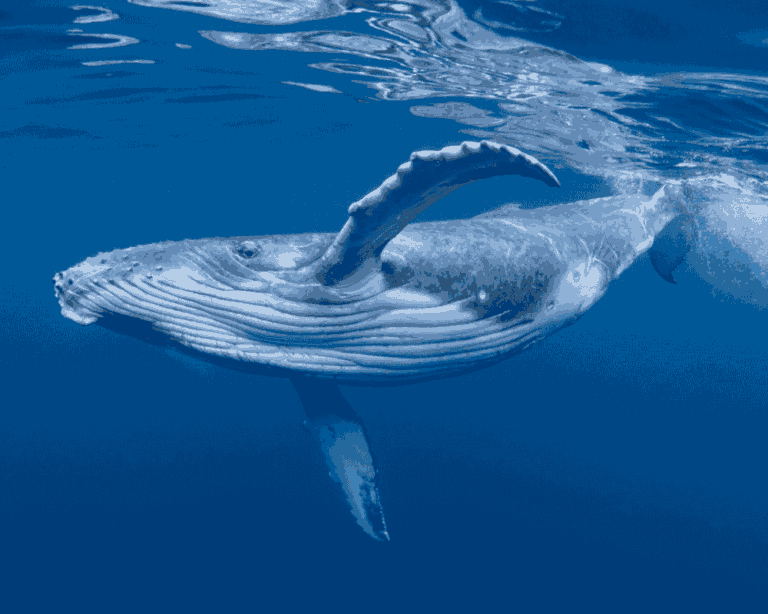

Orcas, or killer whales, have a top position in the ocean’s food chain. They prey on various species, from fish to large whales.
Each pod of orcas has developed unique hunting strategies based on its specific dietary needs and the location where it lives.
Orcas have a key role in maintaining ecological balance in the ocean.
Main Takeaways
Apex Predators with Diverse Diets:
- Prey on over 140 species, including fish, seals, dolphins, and large whales.
- Their dietary diversity affirms their apex status.
Specialised Hunting Strategies:
- Different pods develop unique hunting methods based on the environment and available prey.
Collaborative Hunting Techniques:
- Use methods like herding fish, tail slaps, and exhausting larger whales.
Ecological Impact:
- Maintain marine ecological balance by regulating prey populations.
- Influence behaviour and evolution of prey species.
Conservation Implications:
- Understanding dietary habits is vital for understanding conservation needs.
- Address threats like overfishing and habitat loss affecting prey species.
Orcas’ Preferred Prey
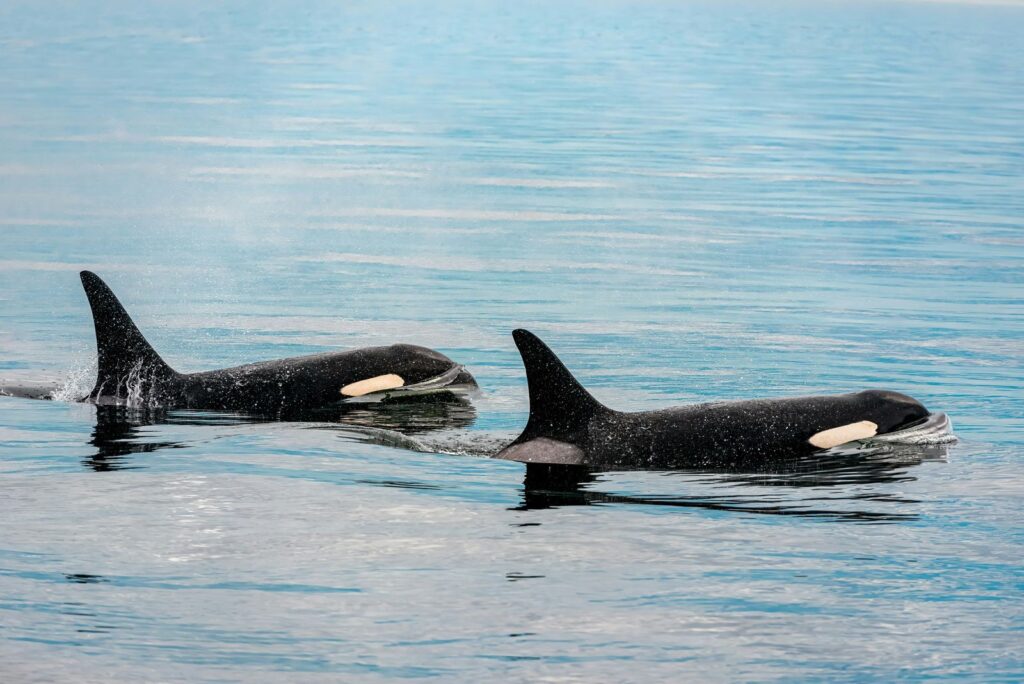
Orcas demonstrate remarkable dietary diversity, preying on over 140 species, from fish and seals to dolphins and large whales. This array of prey options explains their position as apex predators within marine ecosystems.
Some orcas have evolved to specialise in hunting specific types of prey. For instance, while certain pods primarily hunt seals, others may focus on larger prey such as whales. This specialisation often aligns with their particular ecological niche and the availability of prey types in their region. This dietary specialisation reflects the orcas’ adaptability and the complexity of their social structures.
Orcas’ prey choice is influenced by their immediate environment and the transmission of hunting skills and preferences across generations within pods. Each pod’s unique dietary habits contribute to the diverse ecological roles orcas play, from controlling seal populations to impacting the behaviours of larger marine mammals like whales.
Hunting Techniques
Orcas’ hunting behaviour is often associated with wolf packs. They utilise a variety of methods that show collaborative abilities. Orcas live and hunt in pods, working together to maximise their hunting success.
One common method involves herding schools of fish into tight clusters, making them easier to capture.
Further demonstrating their teamwork, some pods specialise in tail slaps to stun prey, such as seals, into the water from ice floes. They are also known to surround and gradually exhaust larger prey like blue whales.
Orcas are fast swimmers and can adapt their strategies based on the behaviour of their prey, employing stealth, speed, and force as needed. Their hunting techniques prove their role as apex predators, capable of tackling a wide range of prey through elaborate teamwork and cunning strategies.
Dietary Specialisations
Orcas’ diet diversity reflects their adaptability and specialised hunting skills across various environments. As apex predators and toothed whales, orcas also exhibit dietary preferences, demonstrating ecological dominance and strategic feeding behaviours.
In the eastern North Pacific, resident killer whales prefer Chinook salmon, a species that plays a central role in their diet.
Antarctic killer whales have adapted to the harsh polar environment by focusing on high-energy prey such as minke whales and southern elephant seals.
Hawaiian orcas cast a wider net in their feeding habits, including humpback whales and various cephalopods like octopuses and squids in their diet.
Impact on Marine Ecosystems
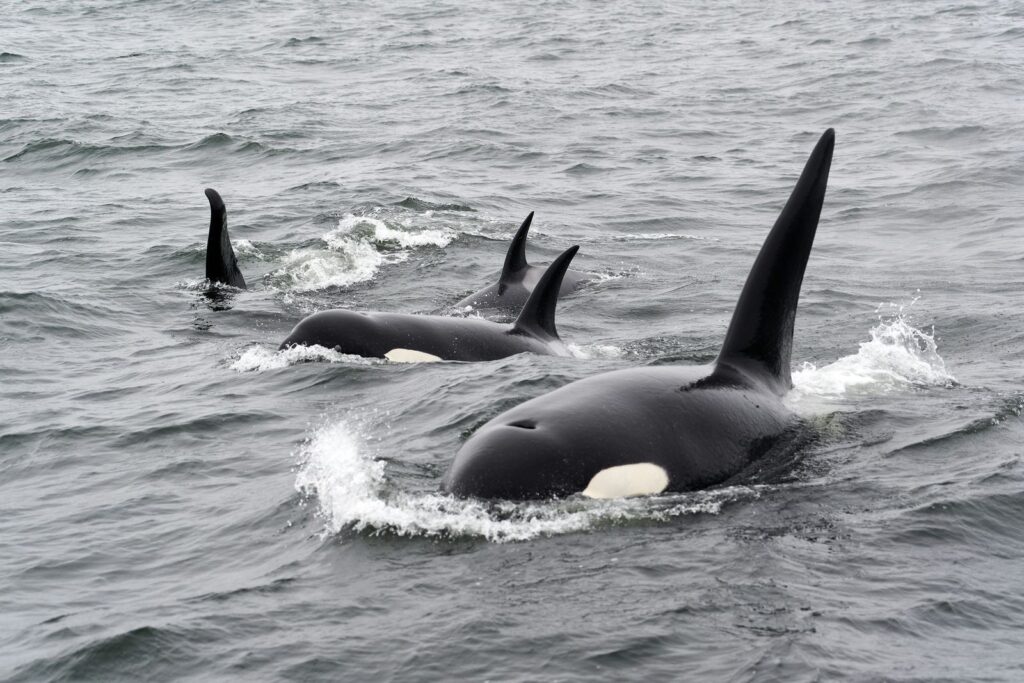
Given their diverse diet and strategic hunting skills, orcas greatly influence the populations and behaviours of various marine species, impacting overall marine ecosystem health.
As apex predators, orcas play a pivotal role in maintaining the balance of the marine food chain. Their ability to target a wide range of prey, from fish to large whales, allows them to regulate these populations effectively. This control helps prevent single-species overpopulation in the ecosystem, leading to a more stable and diverse marine environment.
Their presence can alter the behavioural patterns of prey species, which often develop new strategies for survival. Such interactions enhance the adaptive capacities of these species, promoting evolutionary changes across the ecosystem. Additionally, the role of orcas as indicator species highlights their importance in signalling the overall health of marine environments. Changes in orca behaviours or populations can provide critical clues about shifts in oceanic conditions, potentially linked to broader environmental issues.
Seasonal Feeding Patterns
Orcas adjust their diet considerably throughout the year, reflecting the seasonal availability of prey in their environments. During certain times of the year, orcas may focus their hunting efforts on specific types of fish, while at other times, their diet may mainly include prey such as whales, seals, and sea lions.
Orcas’ seasonal feeding patterns respond to the migratory habits of their prey. For instance, as certain whale species migrate through orca territories, these predators take the opportunity to hunt them. Conversely, when fish like salmon run in large numbers, orcas might shift their focus to exploit this abundance. This strategic flexibility in the diet helps maintain the balance within the food chain, ensuring that no single prey species are disproportionately targeted.
Understanding these patterns is essential for conservation efforts, as it helps scientists predict orca movements and their impact on marine ecosystems. This knowledge is critical for devising strategies to protect orcas and their prey, ensuring biodiversity and ecological health.
Comparison With Other Predators
Compared to other marine predators, orcas exhibit versatility and effectiveness in their hunting strategies. Unlike many marine hunters who may specialise in one type of prey, orcas eat a broad spectrum of prey, ranging from bony fish to formidable large whales.
Killer whales are among the few predators that hunt other marine mammal species, including various dolphin species and other whales. This contrasts sharply with most shark species, primarily consuming fish, cephalopods, and occasionally smaller sharks and rays.

Conservation and Feeding Habits
Conservation efforts for orcas are deeply intertwined with understanding their diverse and specialised dietary habits. Recognising the specific needs of different orca populations is essential for effective conservation strategies.
Specialised ecotypes of orcas have evolved distinct dietary preferences that influence their behaviour, migration patterns, and reproductive success. For example, the resident killer whales of the eastern North Pacific have a diet heavily reliant on salmon, particularly Chinook salmon. This dependency makes them highly susceptible to changes in salmon populations due to overfishing or habitat loss. Similarly, Antarctic orcas display unique feeding behaviours, with some groups targeting specific prey like minke whales or southern elephant seals.
Conclusions
Orcas, as apex predators, have dietary diversity and adaptability, preying on over 140 species, including fish, seals, dolphins, and large whales. Each pod’s unique hunting strategies and specialised prey choices highlight their adaptability and the complexity of their social structures.
Orcas’ dietary preferences vary significantly by region, with some focusing on specific prey like Chinook salmon, minke whales, or cephalopods. This regional specialisation helps maintain marine ecological balance by regulating prey populations and influencing the behaviour and evolution of other marine species.
Seasonal feeding patterns reflect the orcas’ ability to adjust their diet based on prey availability, further contributing to ecological stability.
Conservation efforts must consider these dietary habits, addressing threats like overfishing and habitat loss that impact orcas’ prey species. Compared to other marine predators, orcas’ versatility and effectiveness in hunting a wide range of prey emphasise their crucial role in ocean ecosystems. Understanding and preserving their diverse dietary needs are essential for maintaining marine biodiversity and ecological health.