

The fashion industry, long criticized for its environmental impact and contribution to global waste, is undergoing transformation.
As sustainability becomes a concern for both consumers and businesses, recycled and upcycled fashion are emerging as solutions to one of the sector’s most pressing challenges: textile waste.
Entrepreneurs and established brands alike are reimagining how clothing is produced, consumed, and repurposed, going towards a more circular economy.
Main Takeaways
- Recycling vs. Upcycling: Recycling breaks down old garments into raw materials for new fabric but may reduce quality due to fibre degradation. Upcycling repurposes existing garments without altering their original form.
- Sustainable Business Models Are Diverse: Companies are embracing buy-back programs, leasing systems, and repair services to promote circular fashion and minimize waste.
- Gen Z Is Driving Change: Gen Z consumers value sustainability but are also price-conscious due to economic challenges.
- Ethical Sourcing Is Essential: Using deadstock surplus fabrics and partnering with thrift stores or recycling centres helps reduce waste and build trust. Transparency in sourcing strengthens consumer confidence and brand integrity.
- A Strong Business Plan Supports Sustainability and Growth: A sustainable brand needs a clear mission, ethical operations, strategic marketing, realistic financial projections, and measurable environmental goals.
- Transparency Builds Consumer Trust: Combatting greenwashing through open communication about materials, processes, and goals is critical.
- Technology and Innovation Drive Progress: E-commerce, AR try-ons, and new biodegradable materials are enhancing customer experience and reducing environmental footprint.
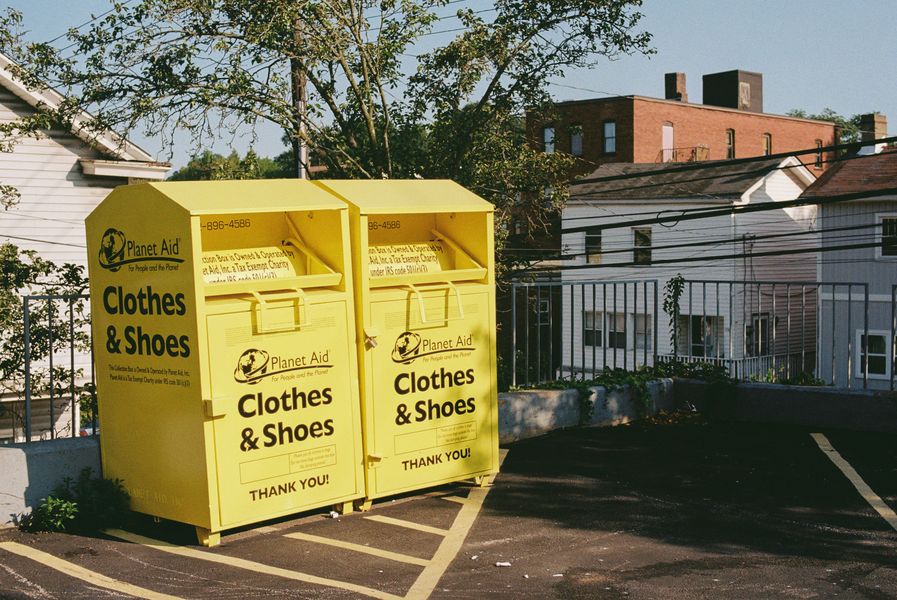
Photo By: Zhen Yao
Definitions and Core Concepts
In the sustainable fashion industry, “recycling” and “upcycling” are two distinct approaches to reducing textile waste and promoting environmental responsibility.
- Recycling: This process involves breaking down used garments into raw materials to create new fabrics. For example, old textiles can be processed into fibres that are then used to manufacture new clothing items. While recycling helps divert textiles from landfills, it often results in products with lower durability due to fibre degradation during the breakdown process.
- Upcycling: Unlike recycling, upcycling transforms existing garments into new products without altering their original composition. This creative practice gives new life to used clothing by repurposing it into fashionable pieces, retaining some of the fabric’s history and character. Upcycling not only reduces waste but also results in unique, high-quality items.
Business Models in the Recycled Fashion Industry
Recycled clothing companies adopt various business models to promote sustainability and circular fashion.
- Buy-Back and Resale Programs: Some companies purchase gently used, name-brand clothing from consumers and resell them at affordable prices. This model encourages recycling by providing customers with cash for their unwanted items and offering others access to trendy, secondhand fashion.
- Leasing Models: Other brands offer a leasing system where customers can rent jeans for a monthly fee. After a year, customers have the option to return, swap, or keep the jeans. Returned items are either resold, upcycled, or recycled, promoting a circular economy and reducing textile waste.
- Repair and Customization Services: Some Shop provides garment and textile repair services to extend the life of clothing items. Through their mail-in repair program, they offer patching, darning, and stitching services, reinforcing the idea that most garments can be salvaged and reused, thereby minimizing waste.
These models exemplify how recycled clothing companies are innovating to create sustainable solutions in the fashion industry, addressing environmental concerns while offering consumers alternative ways to engage with fashion.
Recycled Clothes Company – Challenges and Opportunities
The companies in this industry have diverse approaches to sustainable fashion, from leasing models and upcycling to transparent supply chains and charitable partnerships. Their practices aim to contribute to reducing textile waste and promoting a more sustainable future in the fashion industry.
Starting your own recycled clothing company is a meaningful journey that blends creativity, environmental responsibility, and entrepreneurial spirit.
Understanding the Landscape
The fashion industry is undergoing a transformation, driven largely by the evolving values and behaviours of Generation Z.
Environmental consciousness is pronounced among Gen Z. A study published in sustainability found that Gen Z consumers exhibit a favourable predisposition toward sustainability, with environmental awareness and sustainable attributes influencing their consumer behaviour. This aligns with broader research indicating that Gen Z places a high value on ethical and eco-friendly practices in the brands they support.
However, this generation also grapples with economic challenges that impact their purchasing decisions. The current cost-of-living crisis has eroded Gen Z’s willingness to pay premiums for sustainable products as price, quality, and convenience take precedence.
The digital nativity of Gen Z further influences their shopping habits. They are adept at leveraging online platforms to access secondhand markets, rentals, and immersive shopping experiences that align with their values. This digital fluency enables them to seek out brands that offer authenticity and sustainability, even as they navigate economic constraints.
Finding Your Niche
Identifying a distinct niche is a foundational step in establishing a successful recycled clothing brand. In the expansive and competitive fashion industry, finding a specific segment allows brands to resonate deeply with a targeted audience.
A niche market focuses on a particular subset of consumers, defined by unique needs, preferences, or values. For instance, a brand might specialize in upcycled vintage pieces, catering to consumers who appreciate nostalgia and sustainability. Alternatively, focusing on eco-friendly athleisure can attract environmentally conscious individuals seeking comfort and style in their activewear. Customizable recycled garments appeal to those desiring personal expression while supporting sustainable practices.
A well-defined niche simplifies marketing efforts. With a clear understanding of your audience, you can craft compelling narratives and choose appropriate channels to reach them effectively. This targeted approach often leads to more efficient use of resources and higher conversion rates.
In essence, identifying and embracing a specific niche enables recycled clothing brands to align their offerings with the values and desires of a dedicated customer base, creating meaningful connections and sustainable growth in the fashion industry.
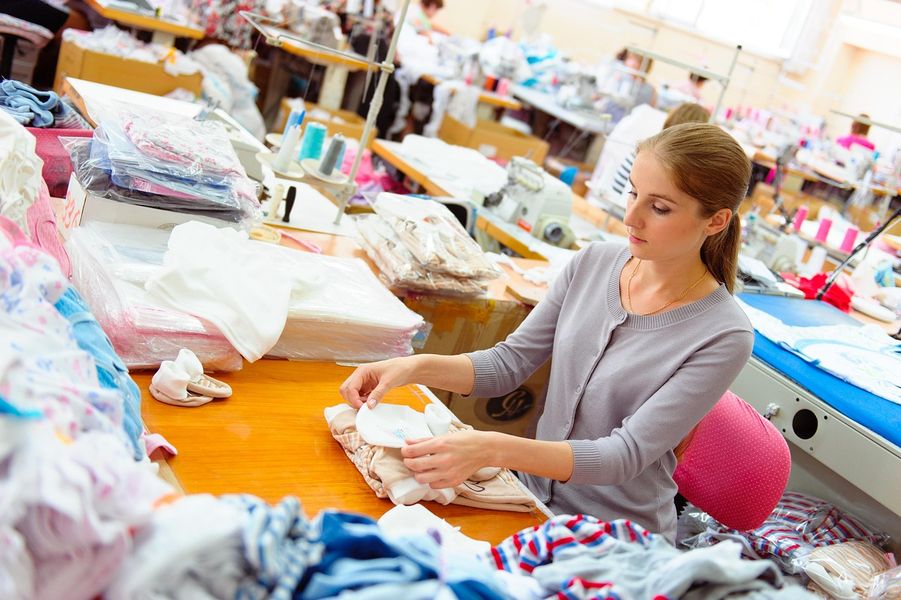
Photo By: Whirligigtop
Sourcing Materials Ethically
Ethical sourcing is the cornerstone of any recycled clothing company, ensuring that the materials used not only reduce environmental impact but also align with responsible and transparent practices.
Collaborating with local thrift stores, recycling centres, and textile manufacturers provides access to materials that might otherwise end up in landfills.
The use of deadstock and surplus fabrics is another strategy in ethical sourcing. Deadstock refers to unused materials from previous production runs, cancelled orders, or overestimated fabric requirements. Traditionally considered waste, these fabrics are now recognized for their potential to reduce the fashion industry’s ecological footprint.
Modern consumers are increasingly interested in the origins of their clothing and the ethical implications of their purchases. Providing clear information about sourcing practices, including the origins of recycled materials and the conditions under which they were obtained.
Crafting a Sustainable Business Plan
A comprehensive and well-structured business plan is essential for steering a recycled clothing company toward sustainable growth and ethical practices. This plan should include clear definitions of mission and vision, detailed operational strategies, robust marketing approaches, and precise financial projections, all underpinned by measurable sustainability goals.
Defining Mission and Vision
The foundation of a sustainable fashion enterprise lies in articulating a mission and vision that reflect a commitment to environmental stewardship and social responsibility. These statements serve as guiding principles, influencing decision-making processes and aligning the company’s objectives with broader sustainability goals.
Operational Strategies
Detailing production processes, supply chain logistics, and quality control measures is crucial. Implementing sustainable practices, such as utilizing recycled materials and minimizing waste, reduces environmental impact but also meets the growing consumer demand for eco-friendly products.
Marketing Approaches
Effective marketing strategies are vital for communicating the brand’s sustainable ethos. Leveraging social media campaigns, collaborations, and events can engage consumers and build a loyal customer base. Transparency in marketing efforts is essential to avoid greenwashing and to maintain credibility. Consumers are increasingly seeking authenticity and are more likely to support brands that demonstrate genuine commitment to sustainability.
Financial Projections
Including detailed financial projections, such as sales forecasts, break-even analysis, and profit margins, provides a roadmap for financial sustainability. These projections should account for the costs associated with sustainable practices and materials. Investors and stakeholders are more inclined to support businesses that present clear, realistic financial plans aligned with sustainable objectives.
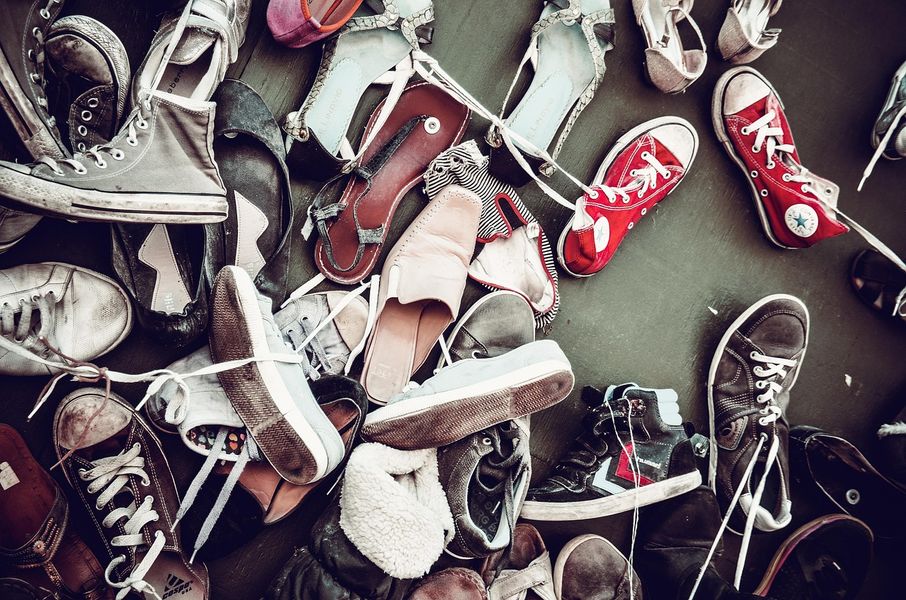
Photo By: Beart Presets
Measurable Sustainability Goals
Setting quantifiable sustainability targets, like reducing carbon emissions by a specific percentage within a defined timeframe, enables the company to track progress and make informed adjustments. Utilizing tools such as Environmental Profit and Loss (EP&L) accounts can aid in measuring and monetizing environmental impacts, facilitating better decision-making and transparency.
Educating Consumers
Consumer scepticism, particularly regarding greenwashing, poses a challenge in the sustainable fashion industry.
Greenwashing refers to the practice where companies mislead consumers about the environmental benefits of their products or practices.
A study published in Sustainability highlights that consumers often struggle to identify greenwashing, leading to mistrust in sustainability claims.
Brands should openly share their sourcing processes, production methods, and sustainability goals. Implementing Digital Product Passports (DPPs), as mandated by the European Union for all garments and accessories by 2030, can enhance transparency. DPPs provide detailed information about a product’s lifecycle, fostering trust and enabling consumers to make informed decisions.
Leveraging Technology and Innovation
Technology serves as a catalyst for innovation in sustainable fashion. E-commerce platforms and social media channels offer avenues to reach broader audiences and tell compelling brand stories. Augmented reality (AR) tools enable virtual try-ons, enhancing customer experience and reducing return rates.
Additionally, exploring new sustainable materials is vital. Innovations like plant-based alternatives to traditional synthetic fibres are emerging. Companies such as Triarchy and Yulex are pioneering biodegradable and compostable materials suitable for various garments.
Conclusion
The rise of recycled and upcycled fashion marks a shift in how the industry confronts environmental and ethical challenges.
As consumers—especially Gen Z—demand greater transparency, sustainability, and authenticity, fashion entrepreneurs have a unique opportunity to lead change through thoughtful innovation and purpose-driven practices.
Starting a recycled clothing company and reducing textile waste is about reshaping the values that define modern fashion. Understanding key concepts, adopting sustainable business models, ethically sourced materials, and leveraging technology are key for new brands to align profitability with positive impact.
Ultimately, the future of fashion lies in circularity. Those who embrace this transformation—grounded in creativity, responsibility, and transparency—will help redefine what fashion means in a more conscious and connected world.