
Honey bees are among nature’s most efficient workers, but how much honey does a single bee produce? While the answer might surprise you (it’s not much!), the real magic lies in the power of teamwork.
An individual honey bee doesn’t produce much, making just about 0.4 ml of honey throughout her life.
When viewed individually, this quantity might seem negligible. However, the collective output is remarkable, considering a healthy colony houses thousands of these worker bees, each contributing her share.
This article delves into the science and structure behind honey production, examining the roles within a hive, the transformation of nectar into honey, and the environmental factors that influence output. Along the way, you’ll also learn why bees are essential to ecosystems and how we can help protect these vital pollinators.
Main takeaways
- Individual vs. Collective Production: A single honey bee produces only about 0.4 ml of honey in its lifetime, but a colony can generate 30–100 pounds of honey annually.
- Bee Lifespan: Worker bees live 15–38 days in summer and up to 200 days in winter; queens live 1–2 years.
- Colony Structure: A hive consists of one queen (egg-layer), hundreds of drones (males for mating), and thousands of worker bees (females doing all tasks).
- Honey-Making Process: Bees collect nectar, break it down with enzymes, dehydrate it, and seal it in wax cells once it becomes honey.
- Honey Bee Species: Out of 20,000 bee species, only 7–11 are true honey bees, with the Western honey bee (Apis mellifera) being the most common.
- Factors Affecting Honey Output:
- Colony size and health
- Local nectar-rich plants
- Climate and weather
- Diseases, pests, and pesticides
- Ecological Importance: Beyond honey, bees are critical pollinators vital to biodiversity and food production.
How Long Do Honey Bees Live?
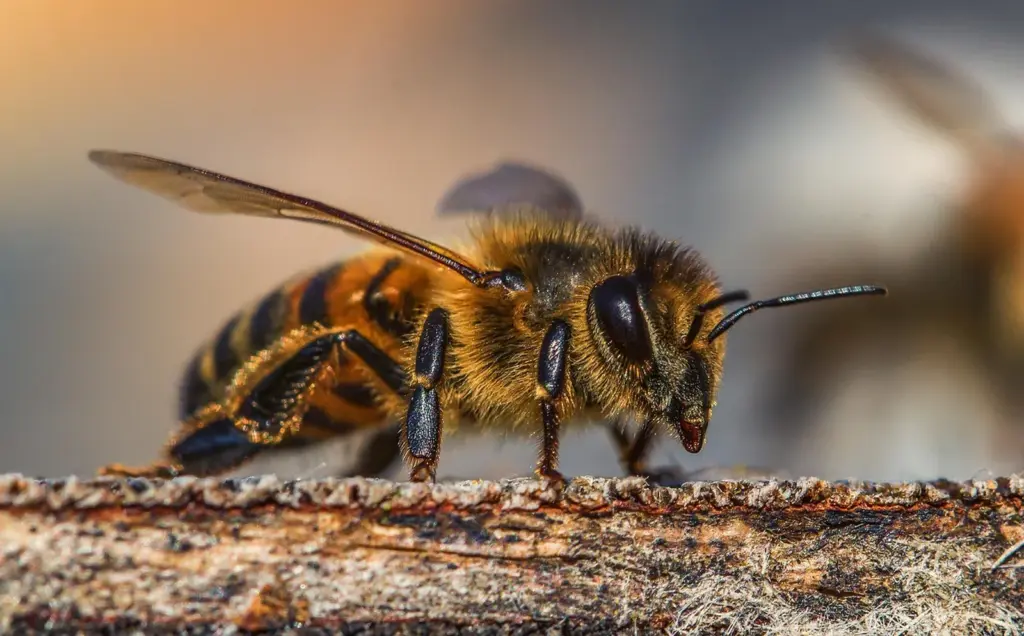
Honey bees (Apis mellifera) display fascinating differences in lifespan based on their roles within the hive. On average, the queen bee lives for 1 to 2 years, and worker bees have significantly shorter lifespans, averaging between 15 and 38 days in the summer months and extending to 150 to 200 days during winter. Research on the ageing process in honey bees has emphasised the role of external mortality factors, such as predation and weather conditions, alongside behavioural factors, including nursing and foraging, in determining the lifespan of worker bees.
How is The Honey Bee Colony Structured?
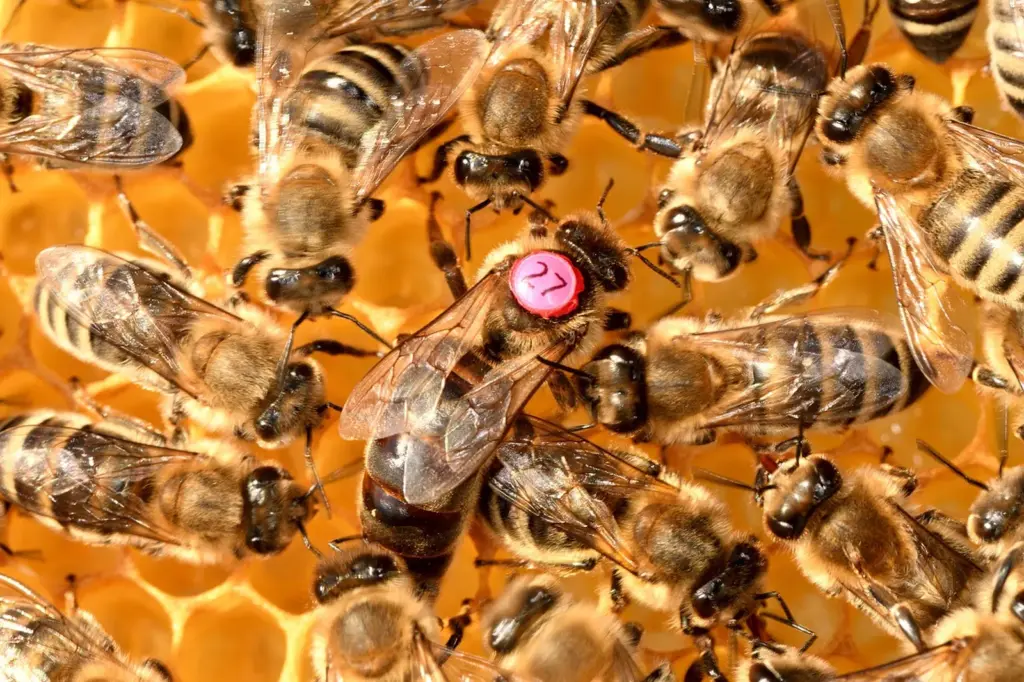
A honey bee colony operates like a well-structured society composed of a single queen, hundreds of drones, and thousands of worker bees. Each group of bees plays a specific role that contributes to the survival and productivity of the colony.
- The queen, the only fertile female, is the mother of all bees in the colony. Her primary job is to lay eggs, sometimes thousands in a single day, ensuring the colony’s future.
- The drones, which are males, play a crucial role in mating with the queen.
- The worker, are all fem, and constitute the majority of the bees in the hive. They forage for nectar and pollen, nurse the young, produce wax to build honeycombs, guard the hive, and make the honey.
How do Worker Bees Turn Nectar into Honey?
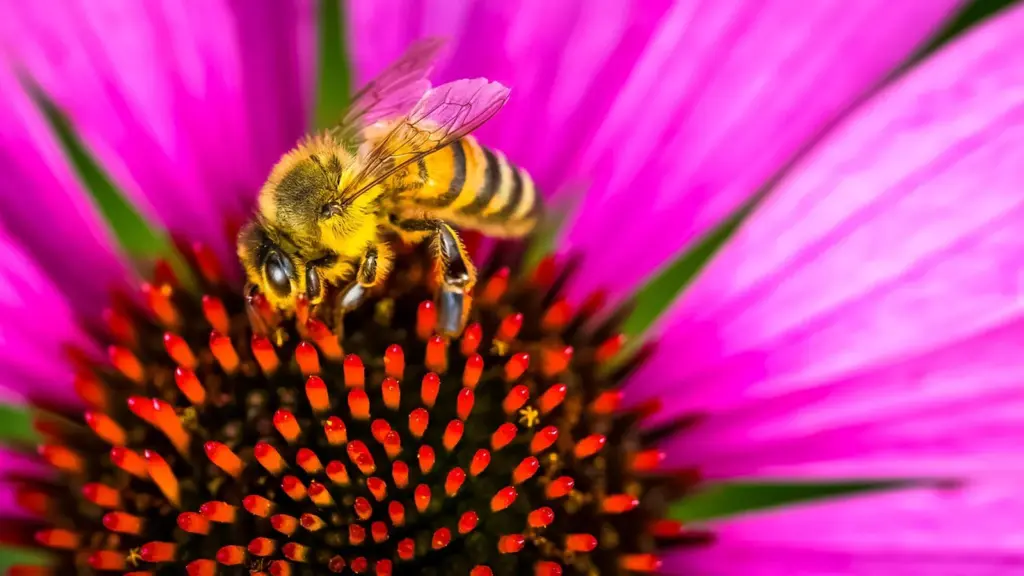
Worker bees collect nectar, a sweet liquid from flowers, and store it in their two stomachs, one of which is the honey stomach. Enzymes in the bee’s stomach begin to break down the complex sugars of the nectar into simpler sugars. This process is called inversion, making the sugars less likely to crystallise. Once they return to the hive, they regurgitate the nectar for other worker bees (also known as house bees) to ingest and further break down. The bees then store this partially digested nectar in the honeycomb cells. They also move their wings to evaporate water, thickening the nectar. The nectar becomes honey once the water content is reduced to around 17%. The bees then seal the honeycomb cell with a wax cap to preserve the honey for later consumption.
How Many Species of Honey Bees Exist In the World?
Though all bees contribute to pollination, not all bees are honey bees. There are approximately 20,000 species of bees worldwide, but only 7 to 11 are recognised as honey bees, with 44 subspecies. These species have adapted to various climates and ecosystems worldwide. The Western honey bee (Apis mellifera) is the most common and is kept by beekeepers globally for its honey-producing abilities and role in pollination.
How Much Honey Does a Bee Colony Produce?
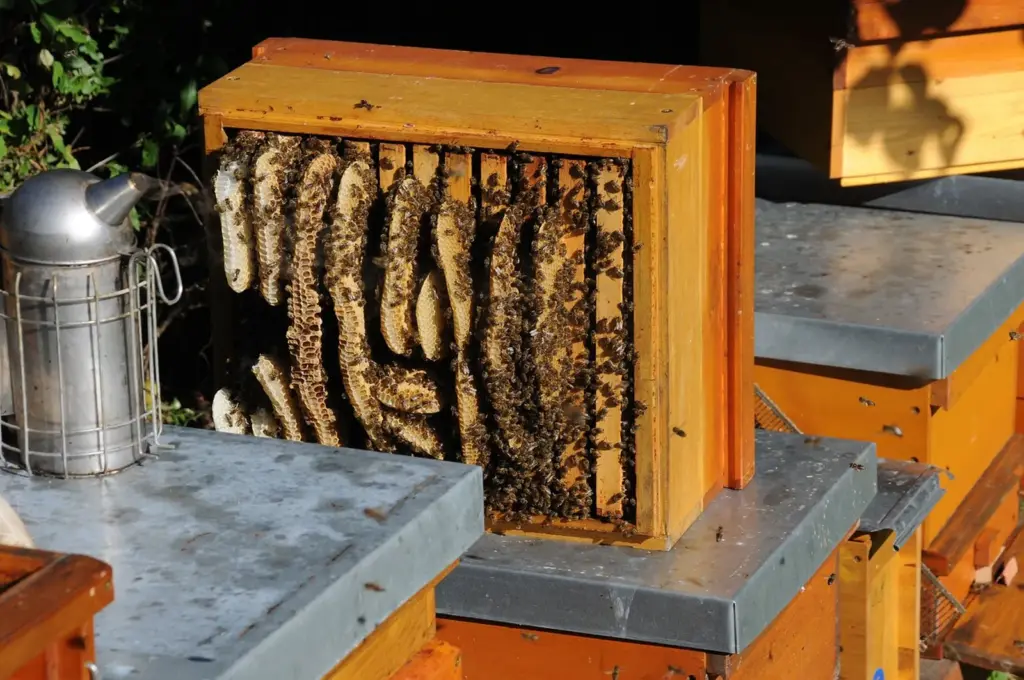
While a single bee’s contribution seems minuscule, a whole hive of bees can produce a staggering quantity of honey. A strong and healthy colony can produce between 30 and 100 pounds of honey annually.
What Are the Factors Affecting How Much Honey a Bee Makes?
- Colony Health and Size: A large, thriving colony with more worker bees translates into a greater capacity to collect nectar and process it into honey. Maintaining the colony’s health requires careful management to ensure that bees have enough food and are protected from diseases and predators.
- Availability of Nectar Sources: Bees forage for nectar in various flowering plants within a 3-5 mile radius of their hive. Therefore, the types and variety of plants available in and around your area can significantly affect honey production. A rich diversity of local flowering plants that bloom at different times ensures a steady supply of nectar throughout the foraging season.
- Local Climate and Weather Patterns: These environmental factors influence the flowering patterns of plants and, hence, the availability of nectar. For instance, a rainy season might limit the bees’ ability to forage, while a drought could reduce the number of blooming flowers, leading to less nectar and, subsequently, less honey. On the other hand, an area with a mild climate and a long blooming season might see higher honey yields.
- Diseases and Pests: Diseases can be categorised into those affecting brood or adult bees. Some common ones include American Foulbrood (AFB), European Foulbrood (EFB), Chalkbrood, Sacbrood, and Varroa mites. Other diseases include Nosema disease, Tracheal mite (acarine disease), Amoeba disease, and various viruses. Bees can also be impacted by poisoning from chemicals such as insecticides applied to crops, with neonicotinoids being particularly controversial. The phenomenon of “Colony Collapse Disorder”, first identified in the USA, describes sudden, unexplained colony losses and is believed to result from various factors, including pests, farming methods, and environmental issues. Diseases of honeybees vary depending on the country. For example, the small hive beetle has caused severe problems in the United States and Australia, while Tropilaelaps mites are currently confined to Asia.
Conclusions
The amount of honey a bee makes is a result of numerous factors, ranging from its role within the colony to external environmental conditions. A single worker bee’s contribution might seem minor in isolation, but when combined with thousands of others, the results are extraordinary.
The fascinating journey of turning nectar into honey is a testament to the intricate and efficient nature of bee colonies. Their complex society, where each bee has a specific role, exemplifies nature’s harmony and meticulous order.
But the work of bees goes far beyond producing honey; they are essential contributors to our ecosystems through pollination, playing a vital role in sustaining plant biodiversity and, ultimately, our food supply.
Given the various threats bees face, such as diseases, pests, and changing climates, supporting and protecting these industrious creatures and their habitats is paramount. As a reader or maybe a future beekeeper in your hobby farm, you can contribute to this cause by planting bee-friendly plants, avoiding harmful pesticides, and supporting local beekeepers by purchasing honey.