
Beekeeping is a fascinating hobby for farmers and even a potential avenue for income.
In this article, we’ll explore the factors to consider when aiming to become a profitable beekeeper and determine the number of beehives needed to achieve this goal.
Most beekeepers begin as hobbyists, driven by their passion for bees. However, transitioning to full-time beekeeping requires a thorough understanding of bee management techniques, experience, careful planning, and substantial financial investment.
Main Takeaways
- Income Potential: A full-time income typically requires 500–1,000 hives; smaller operations often need additional income sources to supplement their earnings.
- Profit per Hive: Initially low due to high startup costs and market development.
- Startup Costs: The initial investment can range from $1,000 to $ 3,000 or more, including hives, bees, gear, tools, and equipment.
- Diversify to Profit: Boost earnings by selling bees, wax, pollen, propolis, royal jelly, offering pollination or education services, and more.
- Labour-Intensive: Beekeeping is physically demanding and time-consuming; managing 100–150 hives solo requires full-time effort.
- Sustainability: Bees are vital for pollination and biodiversity. Sustainable practices are essential, particularly in urban beekeeping, where hive density often exceeds the availability of resources.
What is the Number of Beehives Required for Being Profitable?
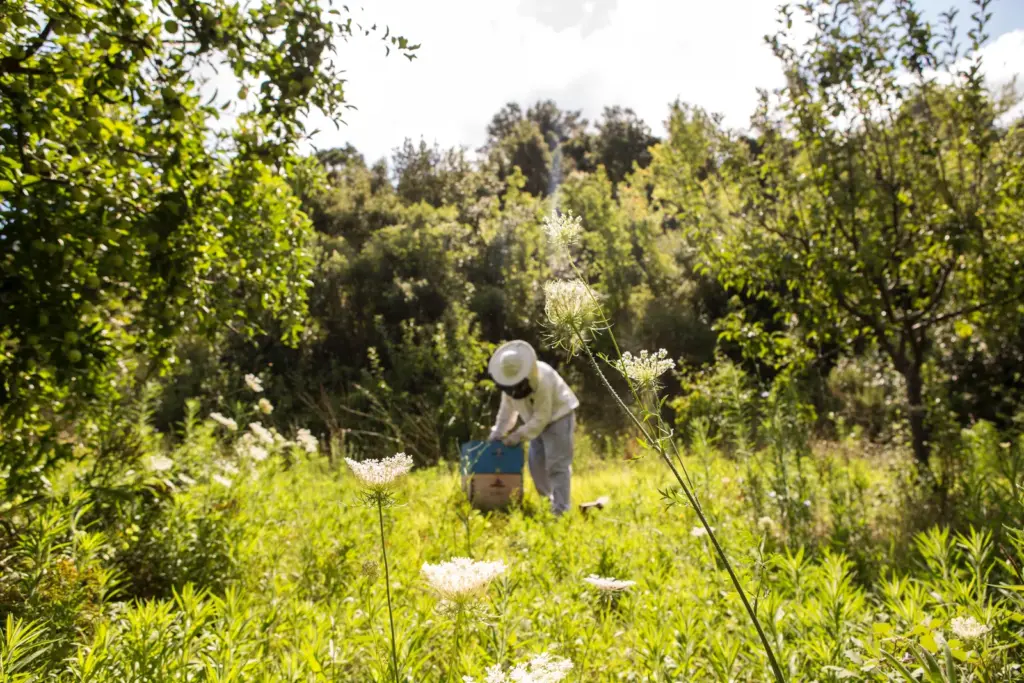
While some sources suggest that around 200 beehives can generate a full-time income, the reality is that most beekeepers with even 200-300 hives still rely on other jobs or secondary income streams. To make a comfortable living solely from honey production, a more realistic number ranges from 500 to 1000 beehives.
What Is the Profit Per Hive?
Determining the profit per hive is a common concern for beekeepers. However, in the initial years of building your apiary, it’s unlikely to generate a profit due to the high initial investment and the need to establish a market.
Diversifying your income streams is crucial for turning a profit in beekeeping. Honey production alone can be challenging due to competitive markets and average prices.
Understanding your local honey market and identifying niche opportunities to sell your products at higher prices is essential.
What Are the Investments Needed to Start a Beekeeping Enterprise?
Starting a small-scale beekeeping business requires several essential resources and associated costs.
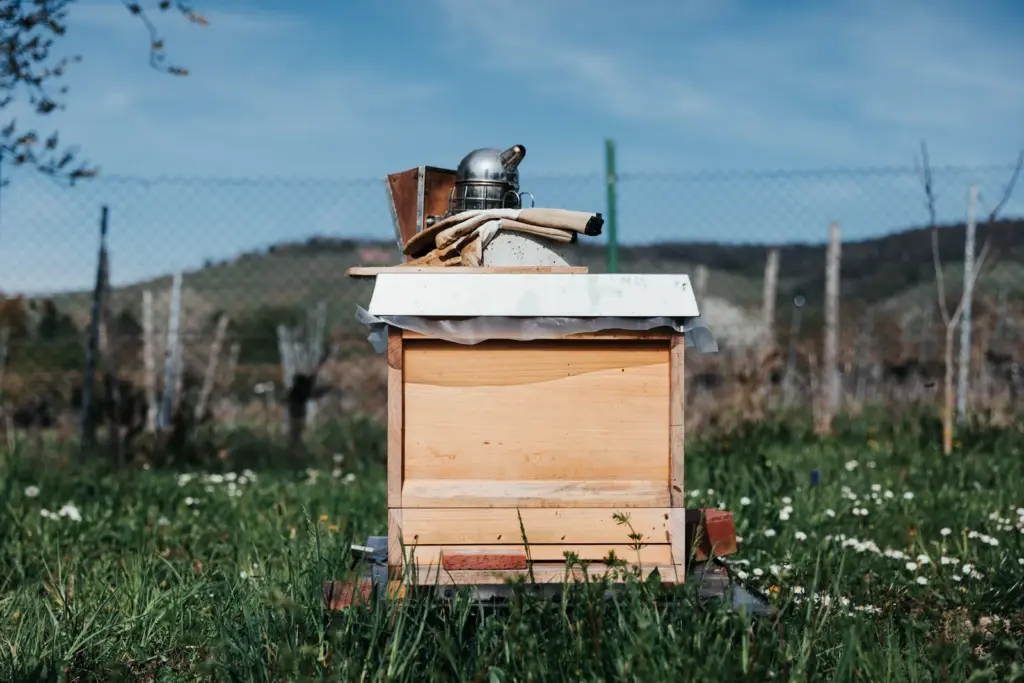
- Beehives: The number of beehives you start with will depend on your goals. Two beehives can cost around $250 to $500.
- Bees: The cost can range from $150 to $250 per colony or package.
- Protective Clothing: Beekeeping requires protective gear, including a bee suit, gloves, veil, and boots. The cost for a complete set of protective clothing ranges from $100 to $300.
- Beekeeping Tools: Essential tools include a hive tool, bee brush, smoker, and frame grip. These tools can be purchased as a set or individually, with costs ranging from $50 to $150 per unit.
- Equipment: You will need hive components, including deep and medium supers, frames, bottom boards, and covers. The initial investment for equipment can range from $500 to $1000, depending on the number of hives and the type of equipment chosen.
- Honey Extractor: As your beekeeping operation grows, you may require a honey extractor for harvesting. A basic manual extractor costs around $200, while motorised extractors can range from $500 to $1000.
- Feeding and Medication Supplies: Beekeepers often need to feed their bees and provide medications when necessary. The costs for feeding supplies, such as sugar syrup, pollen substitutes, and medications, vary depending on the size of the operation and the specific needs of the birds.
- Beekeeping Literature and Education: Investing in educational resources such as books, courses, and workshops is highly recommended. Costs for literature and educational programs can range from $50 to several hundred dollars.
- Land and Apiary Setup: If you don’t have access to suitable land, you may need to consider leasing or purchasing a location for your apiary. Land costs vary significantly based on location and size.
It’s essential to note that these costs are approximate and may vary depending on factors such as location, the quality of equipment, and availability. Additionally, expenses like beekeeping supplies, hive maintenance, and bee feed will be incurred as your beekeeping business progresses.

The Importance of Diversifying Income Streams
Relying solely on honey production can be challenging. One option to increase your chances of success is to diversify your income streams.
- Selling Bees, Queens, and Nucleus Colonies: Building a market for these products can be more profitable and less labour-intensive than honey production.
- Beeswax: Beeswax is a valuable resource that can be sold directly or used to create value-added products.
- Pollen and Propolis: Bee pollen and propolis are in high demand due to their health benefits and medicinal properties.
- Bee Removal: Many people seek professional help when dealing with unwanted bees, and you can benefit by offering your expertise and services.
- Royal Jelly: Royal jelly is a highly sought-after product known for its nutritional value.
- Apiary Maintenance: Some individuals will pay for beekeeping services, including hive management and maintenance.
- Beekeeping Education: As you gain experience and knowledge in beekeeping, you can offer classes and training sessions to aspiring beekeepers.
- Pollination Services: Pollination services require many beehives, specialised equipment, and experience, but can generate a steady income during specific crop seasons.
- Raw Honeycomb: Raw honeycomb is a delicacy and often sells for a higher price than honey alone.
- Buying Honey for Resale: Some beekeepers successfully purchase honey from local beekeepers and resell it at retail prices.

Managing Beehives: How Many Can You Handle?
The number of beehives one can effectively manage depends on one’s focus and experience.
- Full-Time Beekeeper: With a focus on honey production, one person can manage around 100-150 beehives while maintaining a full-time job. Managing 500-800 colonies as a full-time beekeeper would require additional seasonal workers during the honey harvest.
- Raising and Selling Bees: This business model allows for easier management while working full-time.

What Are the Beekeepers’ Working Conditions?
Beekeepers understand that stings are an inherent part of their work and take necessary precautions to minimise the chances of being stung. This includes wearing protective clothing such as bee suits, gloves, veils, and boots.
Another aspect of working conditions in an apiary is the physical labour involved in moving beehives. Beehives need to be relocated for various reasons, such as to access different nectar sources or to prevent overcrowding. Moving hives can be physically demanding, requiring beekeepers to lift and transport heavy boxes of equipment. This aspect of the work requires strength, endurance, and proper technique to prevent injuries and ensure the safety of both the beekeeper and the bees.
While working in an apiary can be physically demanding and carry risks, the rewards of connecting with nature, contributing to pollination, and enjoying the fruits of their labour make it a truly unique and rewarding occupation for those passionate about beekeeping.

Is Beekeeping Sustainable?
We have examined the economic aspect of beekeeping, but as responsible individuals, we must also consider the other aspects of sustainability that beekeeping may impact.
Beekeeping plays a crucial role in promoting environmental sustainability and contributing to the achievement of the United Nations’ Sustainable Development Goals (SDGs).
Bees are essential pollinators, facilitating the reproduction of numerous flowering plant species, including many crops that support food security and biodiversity conservation.
Bees contribute to a broad range of SDGs, including sustainable energy through enhancing the yields of oilseed crops that benefit from bee pollination.
Bees also play a crucial role in urban ecology, aiding urban greening by pollinating flowering plants and providing opportunities for sustainable tourism and economic diversification through honey production, beeswax, propolis, and other bee products.
Despite their significance, bee populations are declining globally, and their conservation has become a critical activity.
Sustainable beekeeping practices prioritise bee health, conservation, and the mitigation of threats such as habitat loss and pesticide use. Additionally, research is needed to understand better the complex interactions between bees, people, and the environment, thereby guiding decision-making at various scales to ensure a sustainable future where bees continue to contribute to a more balanced and ecologically sound society.
The Case of Urban Beekeeping
The rapid growth of urban beekeeping has undoubtedly raised awareness about the importance of pollinators. However, this burgeoning trend has also raised concerns about its long-term sustainability and potential impact on urban biodiversity. The findings of a study revealed a substantial increase in the number of beehives in the urban areas of Swiss cities in recent years. Unfortunately, the same research also highlighted a concerning trend – the available resources must be increased to support the current density of beehives, making the existing situation potentially unsustainable. These findings raise the question of how to strike a balance between promoting urban beekeeping for pollinator conservation and ensuring its long-term ecological viability.
Conclusions
Beekeeping is a fascinating hobby that can also serve as a potential source of income. However, transitioning to full-time beekeeping and making a comfortable living solely from honey production requires careful planning, investment, and diversification of income streams.
The number of beehives needed to achieve profitability varies, but a more realistic range for full-time income is typically between 500 and 1000 beehives. While the initial years may not be highly profitable due to the high investment and market establishment costs, beekeepers can improve their chances by diversifying their products and income sources.
Starting a beekeeping enterprise requires several essential resources and associated costs, including beehives, bees, protective clothing, tools, equipment, and more. These costs may vary based on location and other factors.
Diversifying income streams is crucial for success in beekeeping. Beekeepers can explore selling bees, queens, nucleus colonies, beeswax, pollen, and propolis, while also offering bee removal services and pollination services. Additionally, they can sell royal jelly and raw honeycomb. Additionally, they can buy honey for resale.
The number of beehives one can manage effectively depends on one’s focus and experience. Full-time beekeepers can manage around 100-150 beehives while working a full-time job, while those focusing on raising and selling bees may handle more hives.
Beekeeping can be physically demanding and carries risks. Still, the rewards of connecting with nature, contributing to pollination, and enjoying the fruits of labour make it a unique and rewarding occupation for beekeeping enthusiasts.
The economic aspect of beekeeping is essential, but so is considering its broader impact on environmental sustainability and conservation. Bees play a crucial role in promoting biodiversity, ensuring food security, and supporting sustainable development goals. Responsible individuals must prioritise bee health, conserve habitats, and make decisions that ensure a sustainable future where bees can continue contributing to a balanced and ecologically sound society.
If you enjoyed this article on beekeeping, please share your thoughts and insights, whether you’re an aspiring beekeeper, an experienced apiarist, or simply interested in environmental conservation. Your input matters.
Engage with the community by commenting on the article, sharing your experiences, and offering suggestions for sustainable beekeeping practices.
Together, we can create a meaningful discussion and raise awareness about the importance of responsible beekeeping for the well-being of bees and our ecosystem.
Share this article on your social media platforms to reach a broader audience. By sharing valuable information on beekeeping and sustainability, you can inspire others to appreciate the significance of bees in their lives and encourage them to participate in preserving these essential pollinators for future generations. Let’s work together to support sustainable beekeeping and a healthier planet!