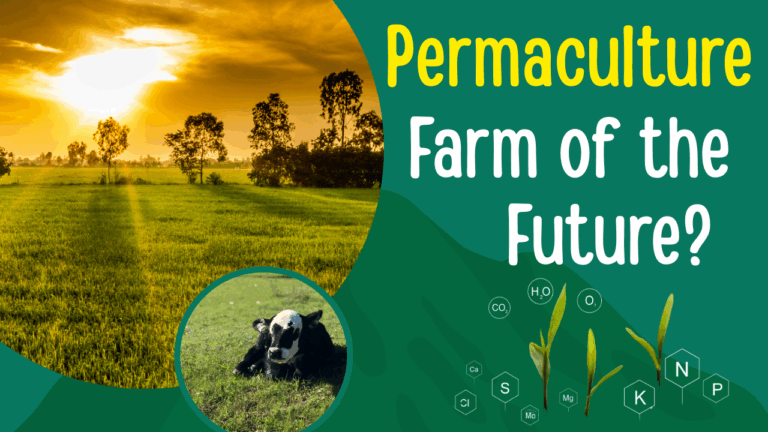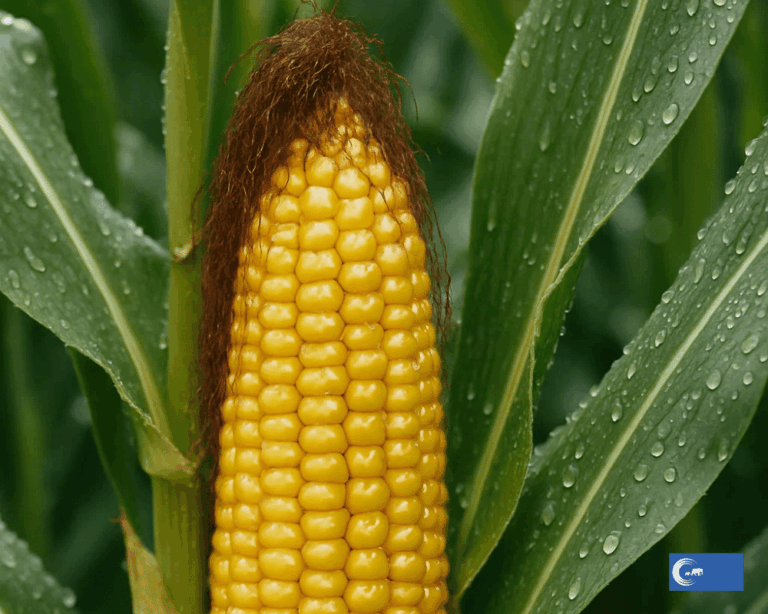

Soil forms the bedrock of our food supply. Incredibly, it produces around 95 percent of all the calories we consume. Farmers rely on finely balanced soils—rich in organic matter, microbes, air, and water—to grow healthy crops. Microscopic life beneath the surface helps unlock nutrients, regulate moisture, and anchor plant roots. When soil thrives, crops thrive, too, translating directly into a bountiful and reliable food system.
Beyond feeding the world, soil plays a powerful role in climate regulation. It is the planet’s largest land-based carbon reservoir, holding more carbon than the atmosphere and all vegetation combined. Practices such as no‑till farming, cover crops, and composting can steadily increase the carbon stored in the soil for decades.
The stored carbon remains underground—locked away from the atmosphere—helping to cool the planet by reducing levels of greenhouse gases.
At its essence, the health of soil mirrors the health of our planet. A rich, living soil teems with biodiversity—hosting 25 percent of the world’s species—regulates water, filters pollutants, and resists erosion. It strengthens ecosystems and empowers farming systems resilient to droughts or floods. In short, healthy soil equals a healthy planet—for our food, our climate, and every living creature.
Soil conservation is a practice that involves protecting the soil, in particular the top layer, from erosion, degradation, and depletion. It has become increasingly important in recent years as soil degradation has become a major global issue, leading to declines in agricultural productivity and other environmental concerns.
Finding and implementing ways to conserve soil is a crucial environmental practice that ensures the health and sustainability of our planet. It helps to protect our natural resources, promotes food security, and increases economic opportunities. It involves maintaining and improving soil quality through effective management practices.
Main Takeaways
- Soil is essential for food production, biodiversity, water filtration, and climate regulation.
- Soil degradation from erosion, chemicals, monoculture, and urbanization threatens global food security and ecosystems.
- Climate change exacerbates soil damage by disrupting nutrient cycles and intensifying extreme weather events.
- Conservation practices such as cover cropping, agroforestry, and reduced tillage help restore and protect soil health.
- Healthy soil supports a sustainable future—for our food systems, the environment, and the climate.
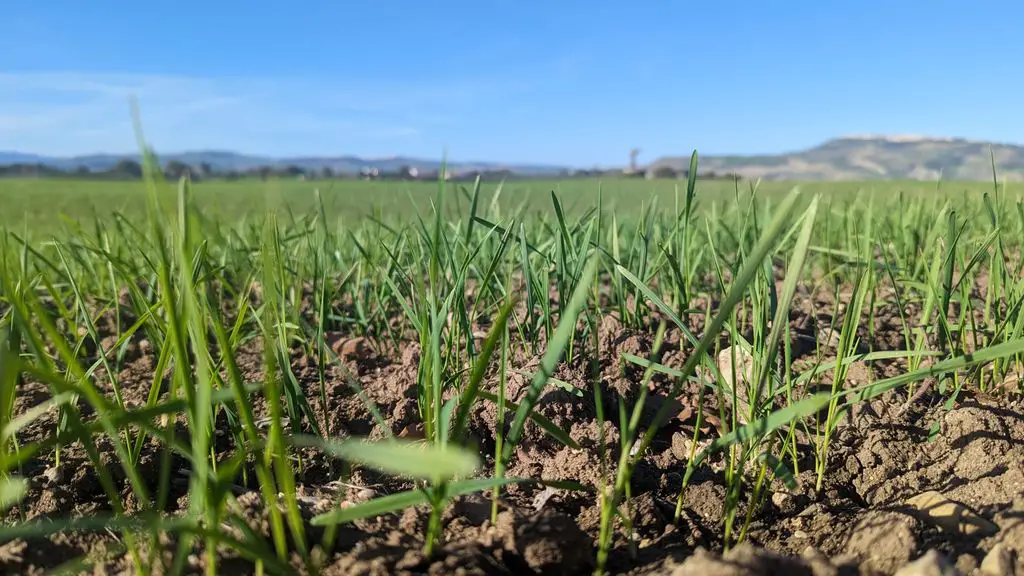
What Makes Soil Important
Soil is one of the most important natural resources on Earth, as it provides us with food, supports ecosystems, and more:
Food production
Soil is the foundation of agriculture, providing the nutrients and support crops need to grow and produce food for humans and animals.
Water storage and filtration
Soil stores water that can be used by plants and animals alike and helps to filter out pollutants.
Buffer against flooding or landslides
Soils with high infiltration rates can absorb water, resulting in less runoff and, consequently, less flooding.
Biodiversity
Soil is home to a diverse array of organisms, including bacteria, fungi, insects, and other microorganisms, that play crucial roles in supporting biodiversity and ecosystem functions. It also helps to create habitats for many species of wild animals and insects that are vital to a balanced ecosystem.
Carbon storage
Soil is a significant carbon sink, storing substantial amounts of carbon in organic matter and playing a crucial role in regulating the global carbon cycle.
What’s Harming Our Soil?
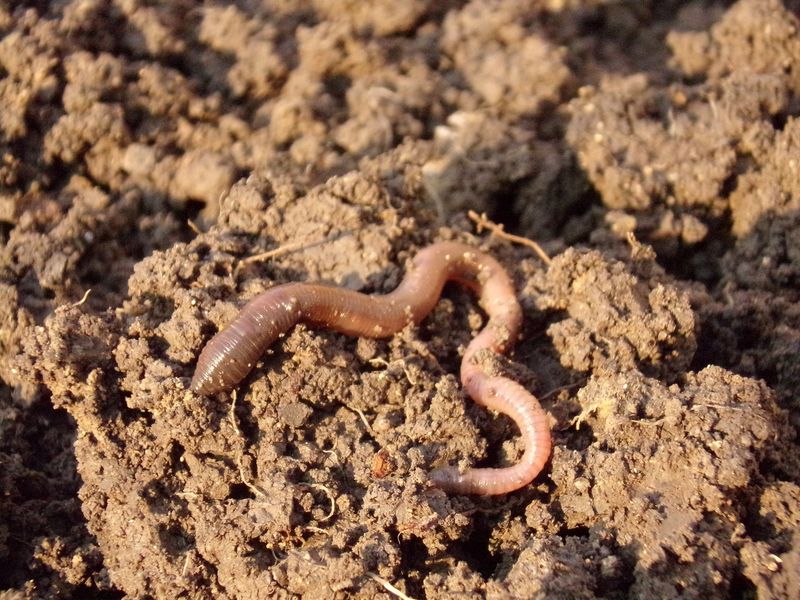
The surface of our Earth may look static, but beneath lies a fragile ecosystem under constant threat. Erosion, driven by water and wind, strips away the nutrient-rich topsoil faster than it can regenerate. Studies warn that poor land management—particularly deforestation and intensive agriculture—has degraded up to 75 percent of global land, with levels possibly reaching 90 percent by 2050. As protective plant cover is cleared or compacted, rain washes away vital soil, weakening its capacity to grow crops or filter water.
Coupled with erosion, the heavy use of synthetic chemicals, including fertilizers and pesticides, disrupts the delicate soil microbiome. Persistent chemicals accumulate in soil, suppressing beneficial microorganisms and altering nutrient cycling. Long-term pesticide use diminishes microbial diversity, which is crucial for soil health, and synthetic fertilizers can acidify the soil, thereby reducing fertility and harming plant growth.
Then there’s monoculture, the planting of the same crop repeatedly on the same land. Numerous scientific experiments have demonstrated that this practice leads to nutrient depletion, soil acidification, and a decline in soil biodiversity, making fields more susceptible to erosion and pathogen outbreaks. The loss of crop rotation undermines the soil’s natural regenerative cycles, locking farmers into a cycle of ever-increasing chemical inputs to maintain yields.
Finally, urbanization spreads paved surfaces across the landscape. When concrete replaces soil, the ground loses its ability to absorb water, support plants, or regulate temperatures. This jeopardizes local soil health and also exacerbates flooding and heat stress in urban zones. Together, these forces erode the resilience of our soil systems, threatening food security, biodiversity, and climate mitigation.
Climate change
Climate change can exacerbate soil erosion and degradation by altering precipitation patterns and increasing the frequency and intensity of extreme weather events such as floods and droughts.
Changes in temperature and precipitation patterns can alter soil nutrient cycles, thereby reducing soil fertility and contributing to nutrient depletion. Climate change can accelerate the breakdown of soil organic matter, reducing the soil’s ability to store carbon and increasing greenhouse gas emissions.
Climate change can alter the activity of soil microorganisms, thereby affecting nutrient cycling, soil carbon storage, and other critical functions within the soil ecosystem.
Slash and burn
Slash and burn involves cutting down trees and burning the vegetation to create arable land for crops or pastures for livestock.
The most significant environmental impact of slash-and-burn agriculture is deforestation, resulting from the clearing of large land areas without efforts to replant or restore the previously existing vegetation. Slash and burn practices can also impact species diversity, soil erosion, soil nutrient depletion, water pollution, air pollution, and climate change, as they lead to increased levels of carbon dioxide being released into the atmosphere.
Soil Conservation Practices
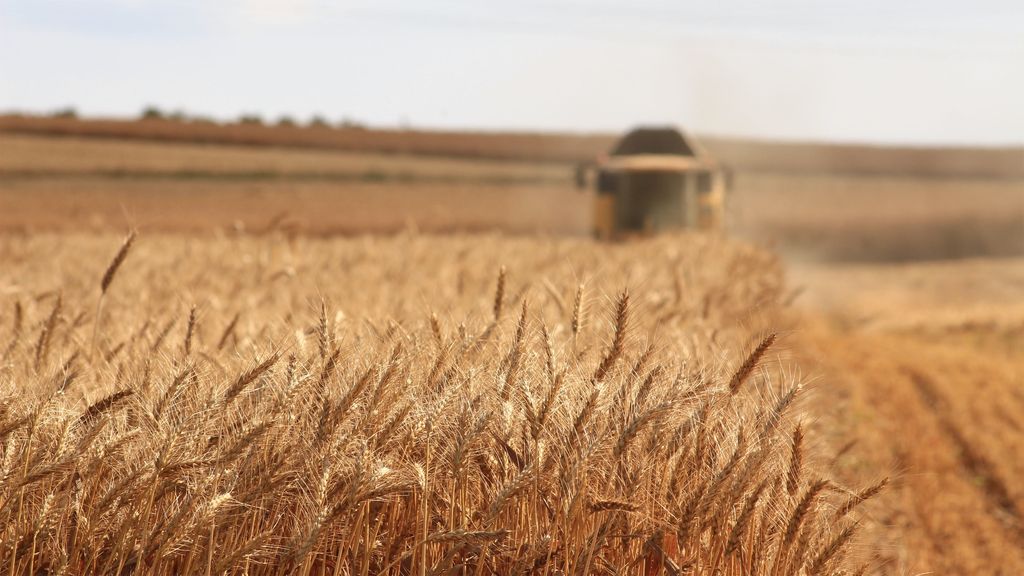
- Conservation tillage: This farming technique involves using reduced or no-till practices.
- Contour farming: Contour farming is plowing sloped land along the side and at consistent elevation instead of the top and bottom of the elevated land (hill or slopes). That can be useful to preserve rainwater and prevent surface erosion, reducing ground loss.
- Crop rotation: Alternating crops on a piece of land improves fertility and reduces the build-up of pests and diseases.
- Strip cropping: Strip cropping is a farming practice that recently gained popularity. It involves planting two or more crops side by side, alternating strips down a field.
- Cover cropping: This practice involves planting a crop, such as clovers or rye, to protect and improve land fertility. This crop will not be harvested but will stay on the ground.
- Terracing farming: This involves creating steps or terraces on sloping land to reduce the speed and amount of water runoff, which helps to reduce erosion.
- Windbreaks: This involves planting trees or shrubs to reduce wind erosion.
- Conservation buffers: It involves planting grass or other vegetation along the edges of fields or streams to reduce erosion, improve water quality, and help biodiversity.
- Soil testing: This involves testing the ground to determine its nutrient content and pH level, which helps to guide nutrient management and other conservation practices.
- Use natural fertilizers: Natural fertilizers are made from composted materials, such as food waste, plant debris, compost, and manure. It helps reduce erosion by binding soil particles together and releasing their nutrients slowly over time, reducing the risk of nutrient loss. Natural fertilizers also help create greater biodiversity since they introduce beneficial bacteria.
- Nutrient management: Using natural resources and techniques to improve ground fertility is crucial. However, it is sometimes a good practice to help increase and maintain soil health by applying fertilizers and other artificial nutrients. Used within a holistic approach to farming can be very useful and help minimize synthetic inputs in the long term.
- Organic or Ecological farming: Utilizing natural processes, such as composting and crop rotation, to produce food free of pesticides or synthetic fertilizers helps promote healthier soil.
- Agroforestry: This agricultural system integrates trees and other vegetation into a crops or livestock-rearing system to improve fertility, reduce erosion, and provide additional benefits such as shade and windbreaks.
- Wetlands restoration: Wetlands provide a range of benefits, such as water filtration, flood control, wildlife habitat, and carbon storage, that are essential for the health of our planet. Restoration projects aim to bring back these wetlands using various methods such as reestablishing native vegetation, controlling erosion, water management systems, and removal of non-native species.
- Forest cover reestablishment: Planting trees in deforested or degraded land helps restore balance to the environment while providing increased biodiversity. It also helps prevent erosion by holding the ground in place with tree roots. Forests play an important role in regulating water cycles, helping to prevent erosion and maintain water quality. Trees also absorb carbon dioxide and release oxygen, making them essential components of the global ecosystem.
- Help Earthworms and Dung Beetles thrive: Earthworms and Dung Beetles are often overlooked agricultural components, yet they play a vital role in the health of our lands. Not only do they improve ground structure and fertility, but they also help to reduce erosion and increase water infiltration into the ground. Earthworms are an essential part of our ecosystems, so it is important to understand how we can help them thrive. One way to help earthworms survive is by creating or maintaining organic matter present. Mulching, for example, with organic material such as leaves or grass clippings will help create a loose layer of material on top of the soil that earthworms can use for their burrowing activities. Dung Beetles feed on animal waste, break it down into smaller pieces and bury it in the ground. This process helps to aerate the soil and create small channels that allow water and air to penetrate deeper. This process also releases nutrients from animal waste, making them more available for plant uptake. Dung beetles also help reduce the population of harmful parasites and pests that can affect livestock and crops.
- Grassed Waterways: Grassed waterways are vegetated channels designed to manage and control water flow across agricultural landscapes. They are typically constructed in areas with high land erosion potential, such as sloping fields, and are designed to reduce erosion, improve water quality, and enhance wildlife habitat. Grassed waterways are typically constructed by shaping the land into a shallow, vegetated channel designed to slow down the flow of water and encourage infiltration. The channel is then planted with grasses and other vegetation that can withstand occasional flooding and help stabilize the soil. The grasses and vegetation also help to filter sediment and other pollutants from the water as it flows through the channel.
- Drop inlets and rock chutes: Drop inlets and rock chutes are erosion control structures commonly used in agricultural landscapes to manage runoff and reduce erosion. They are designed to slow the water flow and redirect it away from vulnerable areas. Drop inlets are typically installed at the edge of a field or low-lying area and are designed to collect runoff from the surrounding area. They consist of a vertical pipe that extends below ground level, with a grate or other opening at ground level to allow water to enter. The collected water is then redirected to a nearby stream, river, or other drainage systems. Rock chutes are typically installed where water flows down a slope or incline. They consist of rock-filled channels often lined with vegetation or other erosion control materials.
- Bank Stabilization: Bank stabilization aims to control erosion, preserve habitat, and reduce flood damage in areas associated with water courses. It can be achieved using stone, concrete blocks, riprap, vegetation mats, and other methods to reduce or prevent erosion.
- Sediment Control: Managing and preventing sediment movements, can help prevent erosion. Sediment control measures can include using erosion control blankets, sediment fences, sediment basins, and sediment ponds, as well as implementing best management practices such as minimizing soil disturbance, stabilizing slopes, and using vegetation.
- Integrated Pest Management: IPM uses a combination of pest prevention, monitoring, and control tactics to minimize pest population growth without relying solely on pesticides.
- Promoting good organisms: Adding organic matter, such as compost or manure, or covering the ground with straw and mulch, provides food for organisms and improves structure.
Conclusion
Protecting and restoring our soils is not just an agricultural concern—it is a planetary imperative. As the foundation of global food security, biodiversity, clean water, and climate regulation, soil health is inextricably linked to the health of both ecosystems and societies.
The threats to soil—such as erosion, chemical degradation, unsustainable farming practices, deforestation, and urbanization—are serious and growing. Yet, through proven conservation practices such as cover cropping, agroforestry, contour farming, and promoting soil biodiversity, we have the tools to reverse the damage and build resilience.
Conserving soil means investing in our collective future. By treating soil as the living, dynamic resource it is and adopting sustainable management at every level—from farms to forests to cityscapes—we can secure nutritious food, protect biodiversity, and help stabilize the climate. The path forward requires awareness, innovation, and global commitment. In healing the soil, we heal our planet.