
Climate change significantly affects koalas, exacerbating existing threats to survival and creating environmental factors that can challenge their unique biology and habitat requirements.
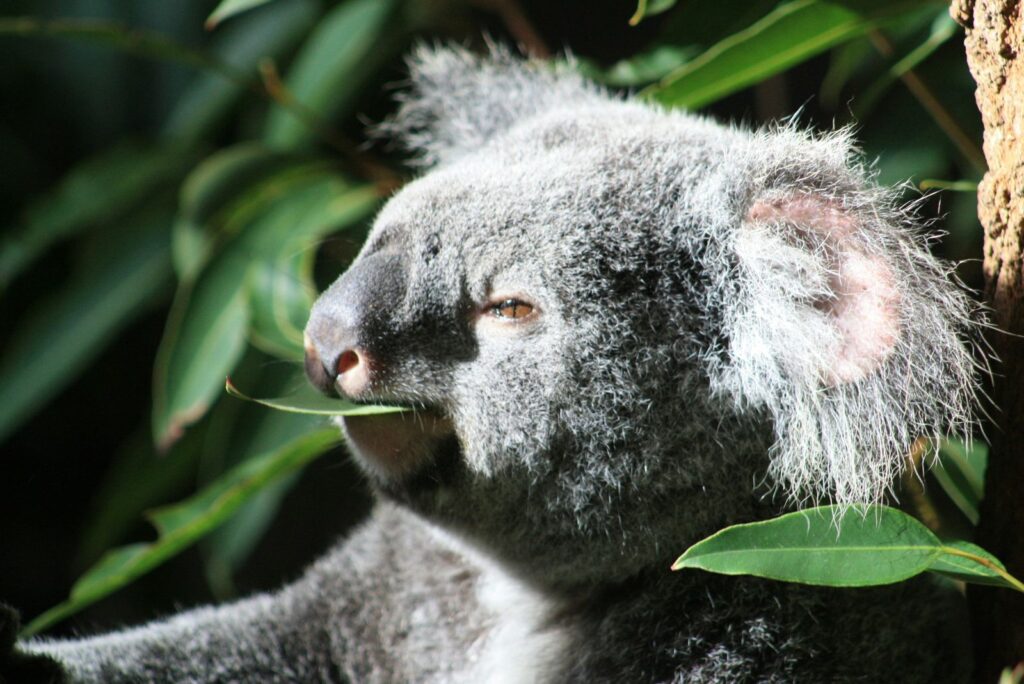
Koalas are specialist folivores that feed on Eucalyptus leaves, requiring large forest areas with specific tree species to meet their dietary needs.
Key Takeaways
- Climate change intensifies existing threats to koalas, including habitat loss, heat stress, and food scarcity.
- Rising temperatures and frequent heatwaves challenge koalas’ ability to regulate body temperature, increasing the risk of hyperthermia and mortality.
- Habitat loss and fragmentation force koalas to travel further for food, increasing energy expenditure and vulnerability to predators and vehicle collisions.
- Water stress and nutritional challenges arise as droughts reduce leaf moisture and alter the chemical composition of Eucalyptus leaves, potentially leading to malnutrition.
- Increased wildfire risk due to climate change threatens koala habitats, causing direct mortality and long-term population declines.
- Genetic diversity is at risk due to habitat fragmentation, making koalas more susceptible to diseases like Chlamydia.
- Conservation efforts include habitat restoration, monitoring programs, and strategic planning to mitigate the effects of climate change on koala populations.
Impact of Rising Temperatures on Koala’s Health
Climate change can significantly impact koalas’ thermoregulation. Climate change leads to higher ambient temperatures and more frequent and severe heatwaves, so koalas must cope with these extreme conditions.
The temperature profoundly affects koalas’ body temperature, which cannot be fully mitigated through their behavioural cooling strategies like tree-hugging or drinking water.
Koalas can endure a wide range of body temperatures, but their ability to regulate temperature during high ambient temperatures is limited. The lowest and highest body temperatures for free-ranging koalas, with the maximum reaching 40.8°C, are close to potentially lethal levels. This extreme heat poses a risk because it reduces the gradient for environmental heat gain, increasing water loss and the risk of hyperthermia.
In hotter climates, koalas pre-emptively lower their morning body temperature to prepare for the day’s heat, suggesting they may predict extreme temperatures and adjust their thermoregulation accordingly. However, even with access to water, koalas do not necessarily thermoregulate effectively, indicating that extreme heat may outpace their ability to maintain safe body temperatures.
Moreover, climate change impacts the availability of suitable trees that provide critical microhabitats for cooling. With fewer trees to offer effective shade and heat dissipation, koalas are more vulnerable to heat stress. This situation is exacerbated by their poor water economy, making prolonged heat stress potentially fatal.
Increasing temperatures and heatwaves expected with climate change could threaten koala survival, particularly as their habitats become less capable of supporting their thermoregulatory needs.

Habitat Loss and Fragmentation
Climate change contributes to habitat loss by altering the distribution of suitable habitats. As temperatures rise and rainfall patterns change, the composition of forests shifts, with some Eucalyptus species declining.
Habitat loss and fragmentation can reduce the availability of the specific tree species that koalas rely on, forcing them to move longer distances in search of food, which increases their energy expenditure and stress. Additionally, fragmented habitats increase koalas’ vulnerability to predators and vehicle collisions as they move between isolated forest patches.
Water Stress and Nutritional Challenges
Koalas get most of their water from the leaves they eat, but climate change-induced droughts can reduce the moisture content.
Climate changes can alter the chemical composition of Eucalyptus leaves, potentially increasing their toxicity or reducing their nutritional value. This could make it even harder for koalas to meet their dietary needs, leading to malnutrition and increased mortality, particularly in young and weaker individuals.
Impact on Genetic Diversity and Disease
The fragmentation of habitats due to climate change increases the risk of inbreeding and reduces genetic diversity within koala populations. This makes them more susceptible to diseases, such as Chlamydia, which already poses a significant threat to their health.
Climate change-related stressors can weaken koalas’ immune systems, making them more vulnerable to infections and less able to recover from illness.
Wildfires and Koala Survival
Climate change is projected to significantly increase the susceptibility of koala habitats to wildfires, posing a serious threat to their survival. Some study’s modelling results indicate that by 2070, the proportion of koala habitats classified as having “high” or “very high” fire susceptibility is expected to rise from 39.56% to 44.61%. This heightened risk does not automatically equate to habitat loss. Still, it does suggest increased challenges for koalas’ survival, particularly as the fragmentation of their habitats makes it harder for them to repopulate areas affected by fires.
Wildfires directly impact koalas by destroying their habitats, causing habitat fragmentation, and leading to direct mortality. Even though many koala food sources, such as certain eucalypt species, have some resilience to fire, the increasing severity and frequency of wildfires—expected under climate change—could lead to significant declines in ecosystem health, potentially resulting in regeneration failure on a large scale. This could reduce the quality of koala habitats and increase the fragmentation that isolates koala populations.
Additionally, while koalas can survive in fire-prone areas if their food sources persist and if they can relocate from neighbouring habitats, the increasing frequency and severity of fires make such relocations increasingly difficult. Koala populations can remain depressed for years after a fire, indicating long-term impacts on their numbers and genetic diversity, which could lead to an extinction vortex in isolated groups.
Conservation Efforts
Amid escalating threats from climate change, extensive conservation efforts are being mobilized to safeguard the future of koala populations. The Australian government has pledged $AU50 million to protect this iconic species, focusing on restoring habitats and enhancing our understanding of population dynamics. This commitment is part of a larger strategy to address the needs of Threatened Species, including the koala.
Key conservation initiatives include:
– National Recovery Plan: Outlining management actions over the next decade to halt the decline of koala populations; this plan is accessible to the public and prioritizes urgent conservation efforts.
– National Koala Monitoring Program: Partnering with CSIRO, this program is a world-leading effort to assess and monitor regional and national koala populations, providing vital data for informed decision-making.
– Cost-Benefit Analysis Reports: Utilizing the INFFER method, these reports aim to maximize conservation benefits through data-driven insights, ensuring resources are allocated effectively.
In New South Wales, these efforts include identifying significant forest stands as climate refugia, essential for supporting koala survival amid changing environmental conditions.
Conclusions
Climate change poses a multifaceted threat to koalas, impacting their survival ability in their natural habitats.
Rising temperatures and more frequent heatwaves challenge their thermoregulation, while habitat loss, fragmentation, and food and water availability changes further stress their populations.
Increased wildfire susceptibility and disease vulnerability compound these threats, making conservation efforts more urgent.
Addressing these challenges requires comprehensive strategies that include habitat restoration, monitoring, and targeted conservation initiatives to ensure the long-term survival of this iconic species.