

When you take a shower, wash your hands, or run a load of laundry, the used water doesn’t have to go straight down the drain as waste. This lightly used water—known as grey water (or gray water)—sits in the middle ground between clean tap water and heavily contaminated sewage. It typically comes from sources like bathroom sinks, bathtubs, showers, and washing machines.
Unlike black water, which contains serious contaminants from toilets and kitchen drains (including faecal matter and food waste), gray water is relatively low in pathogens and pollutants. While it can contain soap residue, skin cells, hair, and trace chemicals, its lower contamination level makes it much easier—and safer—to treat and reuse.
Because of these characteristics, gray water is increasingly seen as a valuable resource rather than a liability. Many regions allow its reuse for non-potable purposes such as toilet flushing, subsurface irrigation, or landscape watering, provided certain treatment and safety standards are met. Recycling gray water not only conserves freshwater but also reduces the load on wastewater treatment facilities and supports more sustainable living.
Key Takeaways
- Gray water is gently used household water from sources like showers, sinks, and washing machines—not toilets or kitchen drains.
- It contains fewer pathogens than black water, making it easier and safer to treat.
- Common pollutants include soap, hair, skin flakes, and light household chemicals.
- Reused properly, gray water can be used for toilet flushing, irrigation, and cleaning—reducing freshwater demand.
- Its reuse is regulated and often supported by local codes and sustainability programs like LEED.
- Recycling grey water helps conserve water, ease the strain on sewage systems, and promote eco-friendly living.
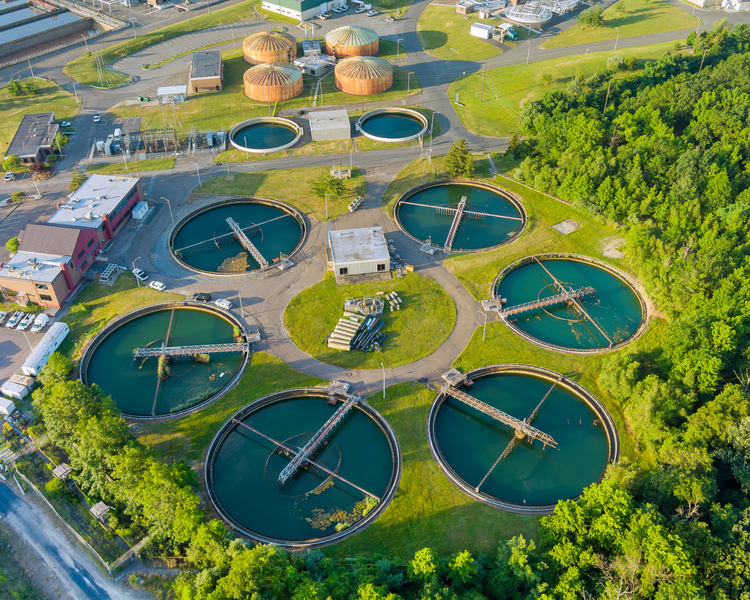
What is Gray Water?
When you turn off the shower or empty the washing machine, that water doesn’t always have to become waste. This gently used household water—called gray water—is a middle ground in the hierarchy of wastewater. Unlike black water, which includes flush from toilets and kitchen sink water contaminated with faeces or heavy organics, grey water comes from sources such as bathroom sinks, showers, bathtubs, and washing machines.
Gray water is significantly less polluted; the absence of faecal matter lowers its pathogen load, making treatment simpler and safer. That said, it still carries soap residues, hair, skin flakes, and traces of household chemicals. Typical characteristics include temperatures between 18 and 35 °C and suspended solids up to roughly 500 mg/L.
Legally, gray water is handled differently from black water. Many areas allow its reuse for non-potable purposes like toilet flushing or irrigation—provided local codes are observed. Environmentally, recycling gray water helps reduce freshwater demand, eases stress on sewage treatment plants, and lessens nutrient and energy loads on ecosystems. Improved systems have even become part of sustainability scoring, such as LEED certification incentives.
How Gray Water Recycling Systems Work
At their core, gray water recycling systems are built on a simple idea: capture that mildly contaminated water and give it a new purpose. The science behind it harnesses basic physical, chemical, and biological processes to transform what would be waste into a useful resource.
First, water is diverted via a dedicated plumbing network away from sources like showers or laundry and into a collection area. From there, it passes through increasingly fine filters—such as mesh screens, sand beds, or activated carbon—to trap hair, lint, and larger particles. Biological treatment often follows: lagoons, aerobic reactors or constructed wetlands use microbes to break down dissolved organic matter and reduce BOD and COD levels. For further safety, some systems use UV light, chlorination, or ozone to disinfect water before use.
Treated gray water is then stored in tanks—typically opaque to avoid algae growth—and distributed through its own pipeline network for uses like garden irrigation, toilet flushing, or non-drinking-grade cleaning.
Not all systems require sophisticated automation. Some rely on gravity-fed channels, diverting water directly from a washing machine into a garden bed, requiring no storage tanks.
Broad system types include:
- Simple/manual systems, like laundry-to-landscape diverters, depend on gravity and owner intervention to reroute water directly to plants.
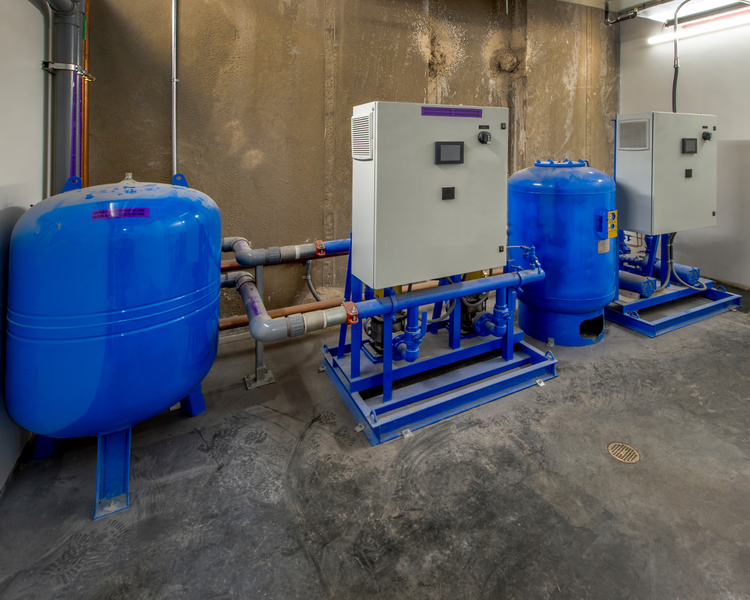
- Semi-automated residential systems add filtration, minimal treatment, and pump-based transfer into small tanks for timed irrigation or toilet feed.
- Fully automated commercial systems which integrate advanced treatment technologies—membrane filtration, UV disinfection, sensors, and controllers—to serve large buildings, irrigation lines, or cooling towers with minimal user input.
Installation and Costs
When weighing whether to install a gray water recycling system, homeowners often debate whether to go the DIY route or hire a professional. Simple systems—like laundry-to-landscape diverters—can cost as little as a few hundred pounds if you’re handy, while more advanced whole-house systems professionally installed may run into several thousand pounds. The final price tag depends on several factors, including the system’s size, complexity, and location. A gravity-fed laundry diverter might cost under £100, whereas an automated system with pumps, storage tanks, and filtration could reach the £3,000–£4,000 range; large-scale residential setups sometimes exceed £15,000.
Over time, these systems can pay for themselves. Studies in arid regions like Los Angeles have shown water demand reductions of up to 38%, translating into sizable utility savings. A typical whole-house system can offer annual household potable water savings worth £30–£120, with payback potential within a decade, depending on water rates—through retrofits cost more than installations in new builds. If installation costs start to exceed savings within the system’s lifetime, financial benefit diminishes.
Permitting and regulations also influence installation costs. Some regions require permits for gray water systems, often limiting storage capacity, treatment levels, or acceptable uses. Inconsistencies between plumbing codes and legislation across different regions can add complexity and cost. However, some municipalities offer rebates or require plumbing provisions at the time of new construction—measures that can offset labour and material expenses.
Maintenance and Safety
Once installed, a gray water system demands vigilance to keep it running safely. Regular inspections ensure that collection pipes aren’t clogged and filters aren’t blocked—preventing backups or uneven water flow.
Settling tanks and filters require occasional cleaning or replacement, often quarterly, while automated systems may also need pump servicing.
A major safety concern is contamination: raw grey water still contains pathogens that can grow during storage. To protect health, systems often incorporate disinfection steps—such as microfiltration, UV treatment, or chlorination—especially if water is to be stored or used for toilet flushing. Studies show that properly treated gray water yields risk levels far below regulatory thresholds, such as those set by the U.S. EPA and WHO.
Gray water should never be used for drinking or cooking. It is best reserved for non-potable uses: toilet flushing, subsurface irrigation, or cleaning surfaces. Guidelines typically permit reuse in these contexts while prohibiting aerosol-generating applications like sprinklers to minimise inhalation risk.
Occasionally, users may encounter clogged filters, foul odours, or discoloured water—signs of buildup or microbial growth. These issues are generally resolved by flushing storage tanks, replacing filter media, adjusting dosing intervals, or upgrading disinfection stages. Keeping records of maintenance—like cleaning dates and filter changes—helps catch problems early and keeps assurance for compliance and insurance purposes.
Challenges and Considerations
Gray water systems offer clear ecological and financial benefits, but they also come with a set of challenges. Initial costs and space needs are often the first barrier—particularly for homeowners with limited budgets or no suitable area for tanks or irrigation trenches. Retrofitting existing plumbing can become complex, making new builds a far more cost-effective option.
Regulatory hurdles compound these challenges: fragmented regulations, conflicting codes, and the need for permits can delay projects and add to costs. In areas lacking clear standards, homeowners sometimes face uncertainty over what systems are allowed or improperly enforced rules that restrict creative but effective system designs.
Public perception is also a significant factor. Many people remain cautious about reusing water, particularly outdoors or around edible plants. Studies of urban communities indicate that public acceptance often depends on perceived health benefits, clarity of information, and visibility of proper system maintenance.
Seasonal limitations must also be considered. In colder climates, greywater systems must be winterised to prevent freezing or risk plumbing and tank damage. In contrast, dry-season demand for irrigation makes gray water especially valuable in arid areas. Systems need to balance generation rates and storage—too little usage leads to stagnation; too much towards drought times may overwhelm capacity.
All these considerations shape the feasibility of a gray water recycling system. But for homeowners, engineers, and communities willing to navigate these constraints, the scientific and environmental benefits are clear: reducing freshwater demand, alleviating treatment burdens, and encouraging a more sustainable relationship with water.
Future of Gray Water Recycling
Step into the future of gray water recycling, and you’ll find a field bustling with innovation—a seamless intersection of cutting-edge science, smart technologies, and urgent climate response. At its heart, this shift is driven by a simple yet powerful idea: transform gently used household water into a resource that not only conserves fresh water but also enriches resilience in a changing world.
Emerging treatment technologies stand at the forefront of this revolution. Membrane bioreactors (MBRs), for example, pair biological degradation with ultra-fine membranes to deliver remarkably clean effluent, ideal for non-potable reuse in compact settings.
Other promising innovations include electrocoagulation and electrooxidation—electrochemical processes that remove contaminants without relying on chemicals, producing less sludge and offering more sustainable decentralised solutions.
Even more intriguing is bioelectrochemical systems (BES), where microbes act as living catalysts, treating water while generating electricity—an elegant synergy of waste reduction and energy production.
The evolution doesn’t stop at treatment innovation. Gray water systems are rapidly becoming smarter, powered by sensors, the Internet of Things (IoT), and artificial intelligence (AI). In modern installations, real-time sensors monitor flow volumes, detect leaks, and track quality metrics, enabling systems to adjust operations automatically or alert homeowners to anomalies.
AI-driven analytics then forecast water demand, tune treatment cycles, and optimise energy use. This marriage of automation with water reuse not only conserves water but also integrates seamlessly into global smart home trends.
Beyond individual homes and buildings, the future points toward fully closed-loop systems—where gray water, rainwater, and even treated black water cycle within a property with minimal external input. In some forward-thinking cities like San Francisco, scalable technologies are already preparing water treated to near-potable standards for street cleaning or public facilities.
Meanwhile, rural and semi-urban communities are adopting constructed wetlands—nature-based systems that filter gray water through soil and plant roots, offering both treatment and biodiversity benefits.
Climate adaptation and decentralisation elevate the importance of these systems. Technologies like membrane-aerated biofilm reactors (MABRs) use far less energy than traditional plants—reducing operational footprints by up to 90%—and are designed for deployment in off-grid or remote locales.
At the same time, satellite sensors, drones, and distributed IoT tools will improve water infrastructure stewardship, spotting leaks and faults in real time and safeguarding precious supplies.
Taken together, these trends signal a transformation: gray water recycling is moving from niche DIY setups to intelligent, system-wide solutions aiming for resilience and sustainability. As new technologies mature—from BES and MBR to AI-driven control—the potential to conserve water, save energy, and fortify communities becomes real. In a world where climate change is reshaping our resources, gray water recycling offers a hopeful, science-powered path toward a more water-secure future.
Conclusion
Gray water is more than just used water—it’s an untapped resource with the potential to transform how we manage household water use. By capturing and reusing water from everyday activities like bathing and laundry, gray water systems offer a practical solution to reduce freshwater demand, lower utility bills, and ease pressure on municipal treatment plants.
While challenges like installation costs, regulatory hurdles, and public perception still exist, advances in technology and growing environmental awareness are paving the way for broader adoption. Whether through simple DIY setups or advanced automated systems, gray water recycling represents a key step toward more sustainable, resilient living in a world where every drop counts.