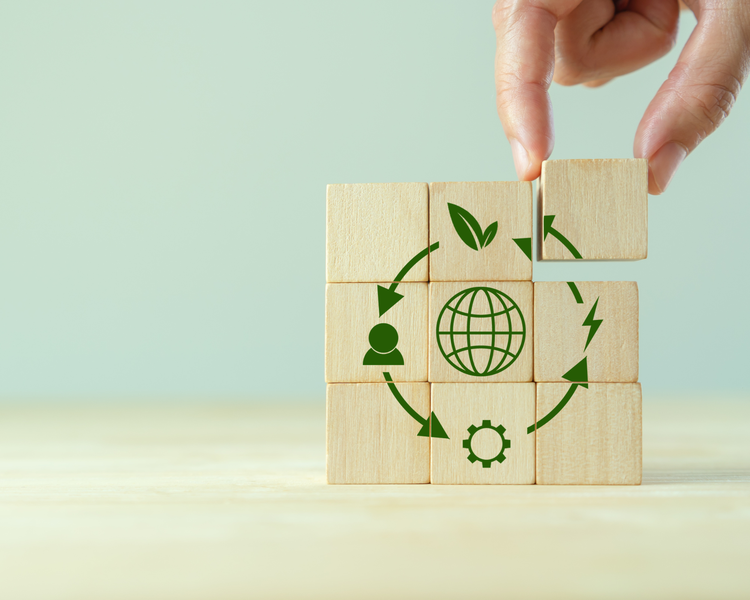

Sustainable development is a complex concept that aims to achieve growth and progress while increasing the welfare of people without depleting resources or destroying the environment.
Its core idea can be broken down into simpler terms. On one hand, we have the goal of growth and progress, which involves improving people’s lives, increasing economic prosperity, and advancing society. On the other hand, we have the essential resources our planet provides us: clean water, clean air, fertile soil, and a stable climate.
The trick is to ensure that our pursuit of progress doesn’t exhaust these vital resources or harm the environment. We need to strike a balance that enables us to grow, develop, and prosper as a society without compromising the health of our planet.
In essence, sustainable development is about taking a long-term view of success—one where we measure our progress not just by what we achieve today but also by what we leave behind for future generations.
Main Takeaways
- Sustainable development aims to improve lives and economies without harming the environment or depleting resources. It balances progress (like economic growth and better living conditions) with planetary limits (clean air, water, and a stable climate)
- Access to clean, reliable energy is essential for progress—but fossil fuels threaten our planet. Renewable sources like solar, wind, and hydro reduce emissions and fight climate change.
- Biodiversity is essential for ecosystem health and human survival. Conservation isn’t just about saving species—it’s about managing ecosystems wisely and ethically.
- Ecotourism supports nature, culture, and community economies all at once. It thrives on responsible travel to natural areas that are managed carefully.
Sustainable Energy Development
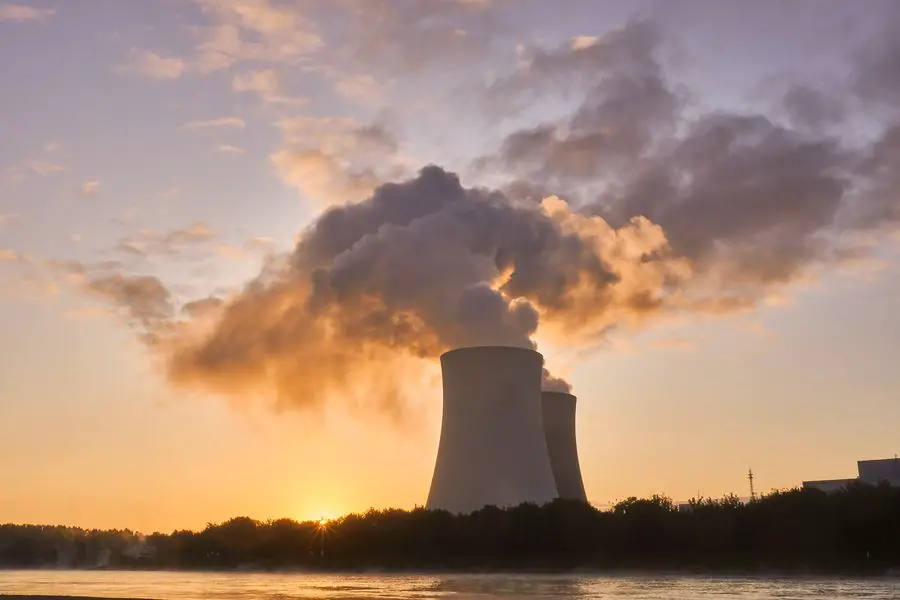
Energy is the lifeblood of our modern society. However, conventional energy sources are finite and often damaging to our planet. Sustainable energy, in contrast, focuses on renewable, environmentally friendly sources like solar, wind, hydro, and geothermal power. By reducing carbon emissions and slowing climate change, sustainable energy sources are indispensable for sustainable development. Countries like Denmark and Costa Rica provide inspiring examples of successful renewable energy integration.
What is Sustainable Energy Development?
Think of it as a superhero mission: ensuring everyone—whether you live in a bustling city or a remote village—has access to clean, modern, and reliable energy without causing harm to our planet. According to a 2022 review in Progress of Sustainable Development Goal 7, global access to electricity rose from 83 % to 91 % between 2010 and 2020. That’s a huge leap—but it still leaves around 670 million people in the dark, mostly in sub‑Saharan Africa
Why it Matters
Our world runs on energy—for lighting homes, heating water, powering hospitals, and moving goods. However, our current energy system heavily relies on fossil fuels, which release harmful greenhouse gases and contribute to climate change. Unless we drastically scale up renewables (like solar and wind), slash energy wastage, and invest in clean technologies, we risk massive health, environmental, and economic problems.
What Needs to Happen Next:
- Speed up renewable energy—we need more solar panels, wind farms, and green hydrogen plants.
- Make energy use more efficient—from better-insulated homes to smarter factories, we must do more with less.
- Fund solutions everywhere—especially in poorer countries, so that no one gets left behind.
When communities get access to reliable energy, children can study by electric light, clinics can refrigerate vaccines, and industries can grow sustainably. That’s why sustainable energy development is a top goal for the UN—and a vital step toward a cleaner, more equitable world.
Sustainable Food Production: A Focus on Sustainable Farming
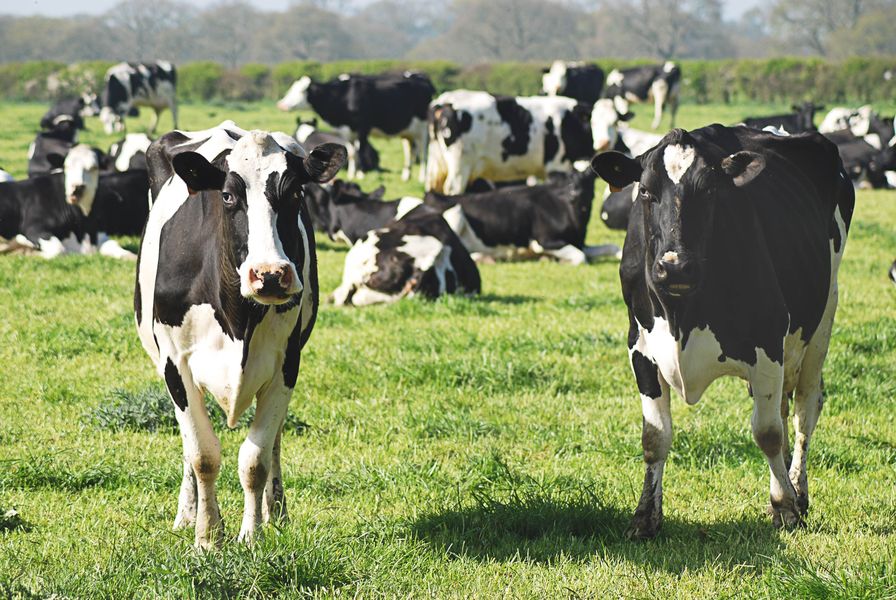
Sustainable farming is a crucial player in the pursuit of sustainable development. Sustainable farming ensures that we can feed the world without destroying it by prioritizing soil health, water conservation, and reducing the use of non-renewable resources.
Approaches such as organic farming and regenerative practices are crucial, not only for environmental health but also for food security and local economies. A shining example is the Netherlands, a small country that has become one of the world’s leading agricultural exporters through its adoption of sustainable farming practices.
Imagine a farming method that not only produces the food we need but also rejuvenates the land, purifies our waterways, and preserves precious biodiversity—this is sustainable farming in action. Sustainable food production extends far beyond traditional agriculture by integrating ecological health, social fairness, and resilient food systems.
Instead of relying on heavy chemical inputs and single-crop fields, sustainable farming employs methods such as crop rotations, mixed plantings, natural pest controls, and precision techniques to utilize water and nutrients efficiently and minimize pollution.
These practices help maintain the soil’s vitality, protect local wildlife, and support farmers’ livelihoods, all while strengthening our food system in the face of climate change.
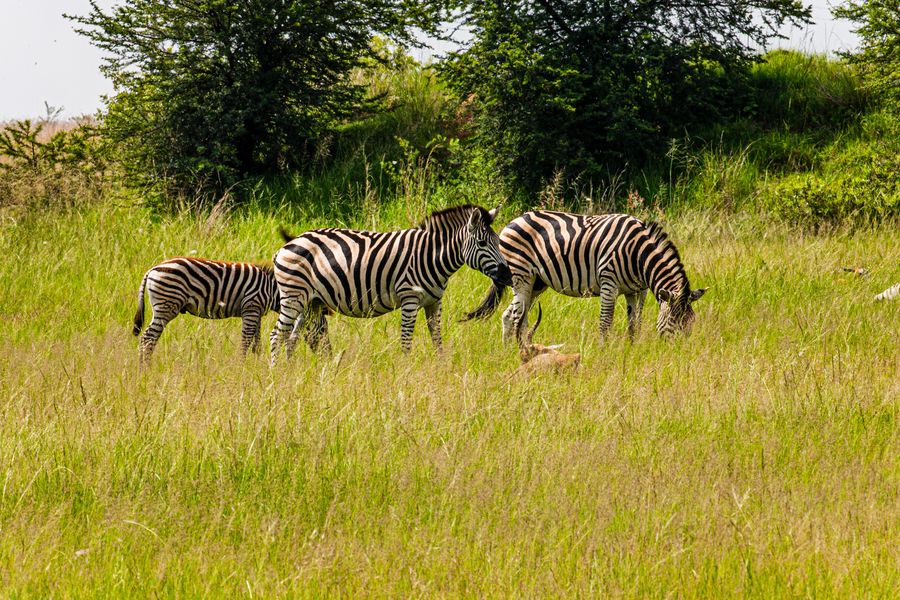
Wildlife Conservation in the Context of Sustainable Development
Wildlife conservation and sustainable development are two sides of the same coin. Human activities often harm wildlife and biodiversity, which is essential for maintaining ecosystem health and resilience. Conservation strategies, for example, establishing protected areas to promote species recovery, are vital for sustainable development. Success stories, such as the resurgence of the Iberian lynx in Spain, illustrate the possibilities of dedicated conservation efforts.
But wildlife conservation isn’t just about saving animals. Effective conservation requires a balanced, holistic approach: protect species and understand how humans interact with them. Instead of extreme reactions—like releasing non-native species or treating wildlife like pets—experts advocate for “scientific conservation,” which evaluates ecosystems as whole systems and respects how communities use wildlife responsibly. This means carefully managed initiatives such as controlled hunting or habitat protection, which can support species recovery and ecological balance—while also benefiting rural economies.
Rock-solid conservation relies on informed public attitudes: clear science-based communication through schools, research programs, and ethical media is key to building support for lasting initiatives. Only by blending scientific insight, local traditions, and fair utilization can wildlife conservation advance both nature and sustainable human development.
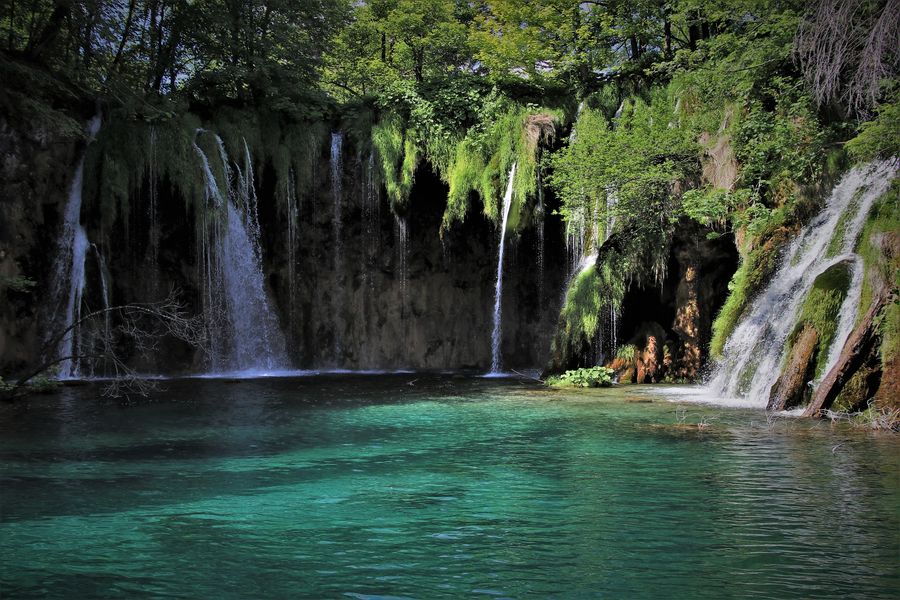
Ecotourism: A Sustainable Development Perspective
Ecotourism stands as a compelling model for sustainable development, intertwining environmental conservation, cultural preservation, and economic empowerment. Responsible travel to natural areas, such as ecotourism, fosters an appreciation for biodiversity while ensuring that local communities reap tangible benefits. However, the success of ecotourism hinges on meticulous planning and management to mitigate potential adverse impacts.
At its core, ecotourism champions the protection of natural habitats and wildlife. Directing tourist activities to well-managed reserves and parks, ecotourism helps safeguard ecosystems from unchecked exploitation. For instance, Costa Rica’s commitment to conservation has led to the establishment of numerous protected areas, covering approximately 26% of its land. This dedication has not only preserved rich biodiversity but also positioned the country as a global leader in ecotourism.
One of the most significant advantages of ecotourism is its capacity to generate income for local communities. It creates jobs in guiding, hospitality, and artisanal crafts, providing sustainable livelihoods.
The revenue generated can be reinvested into community development projects, such as education and healthcare, thereby uplifting entire regions.
Despite its benefits, ecotourism presents challenges that require careful attention. Unregulated visitor numbers can lead to environmental degradation, including soil erosion and wildlife disturbances. There is a risk of cultural commodification, where traditions are altered to meet tourist expectations.
Conclusion
Sustainable development is not a single solution but a guiding principle that calls for thoughtful action across every aspect of human life—from how we produce energy and grow food to how we protect wildlife and travel. It is about building a world where progress doesn’t come at the expense of the planet or future generations.
Sustainable development requires more than just good intentions. It demands real commitment: scaling up renewable energy, reforming agricultural practices, protecting biodiversity, and supporting community-based solutions like ecotourism. Each of these areas is interconnected, and success in one strengthens the others.
Ultimately, sustainable development is about reimagining what true progress looks like—not just faster, cheaper, or bigger, but cleaner, fairer, and more enduring.