
The carbon cycle is one of Earth’s most vital and intricate systems—a silent engine that regulates the planet’s climate, supports life, and keeps natural processes in balance. For millennia, this cycle has quietly moved carbon through the atmosphere, oceans, land, and living organisms in a finely tuned loop. But today, that loop is under strain. Human activity has added vast amounts of carbon to the atmosphere, overwhelming nature’s ability to absorb it and triggering a cascade of environmental consequences—from rising global temperatures to ocean acidification and extreme weather events. Understanding how the carbon cycle works—and how we’ve disrupted it—is essential to confronting the climate crisis and charting a path toward a more stable future.
Main Takeaways:
- The carbon cycle is a natural process that moves carbon through the air, land, water, and living organisms, maintaining Earth’s climate balance.
- Human activity, especially burning fossil fuels and deforestation, has disrupted this balance by releasing excess carbon dioxide (CO₂) into the atmosphere.
- Rising CO₂ levels are driving global warming, extreme weather, ocean acidification, and ecosystem collapse.
- The carbon cycle is now out of sync, and the effects are widespread—impacting biodiversity, food security, and human health.
- Restoring balance requires urgent action through renewable energy, carbon removal technologies, nature-based solutions, strong climate policy, and community engagement.
Why Carbon Matters Now
In recent years, atmospheric carbon dioxide (CO₂) levels have soared to heights not seen in millions of years.
In 2024, the Mauna Loa Observatory in Hawaii recorded CO₂ concentrations above 424 parts per million—a sobering new milestone in the planet’s climate story.
This isn’t just a number for scientists to worry about; it’s a signal to all of us that the Earth’s finely tuned systems are being pushed out of balance. Rising carbon levels are fueling global temperatures, intensifying weather extremes, and reshaping ecosystems before our eyes. From record-breaking heatwaves to unpredictable storms, the consequences of carbon disruption are no longer a distant threat—they’re here, now.
What Is the Carbon Cycle?
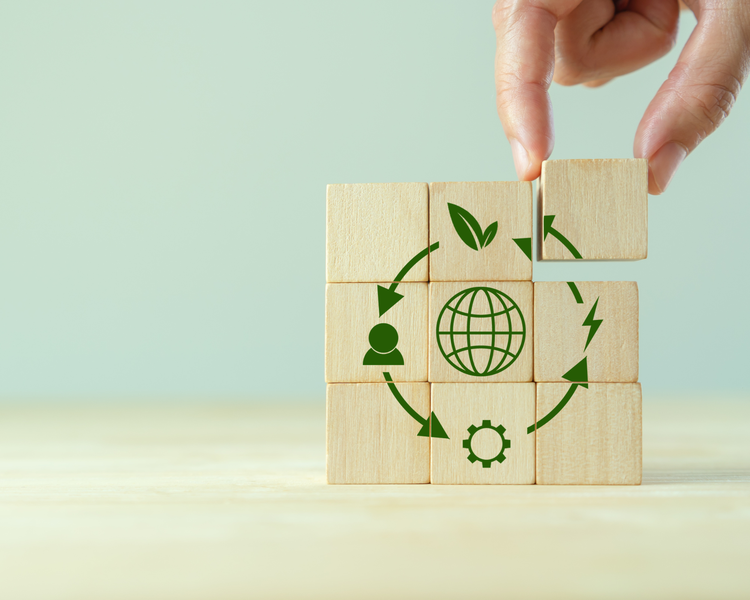
At its core, the carbon cycle is Earth’s natural way of moving carbon—one of the building blocks of life—through the air, land, water, and living organisms.
Carbon doesn’t sit still; it circulates. When a tree absorbs CO₂ from the air during photosynthesis, that carbon becomes part of the tree’s structure. When the tree dies and decomposes or burns in a wildfire, that same carbon may be released back into the atmosphere.
Oceans absorb carbon from the air, marine plants use it to grow, and over time, some of it settles to the seafloor.
Animals exhale carbon dioxide, and microbes in the soil break down organic matter, releasing carbon back into the air. The cycle is constant and complex, but it’s also beautifully balanced—at least, it used to be.
Earth’s Carbon Balance: A Delicate System
For thousands of years, the carbon cycle maintained a natural equilibrium. Carbon moved in and out of the atmosphere at roughly the same rate, keeping the planet’s climate relatively stable. But since the Industrial Revolution, humans have added vast amounts of carbon to the atmosphere—primarily through the burning of fossil fuels and widespread deforestation.
In just a few generations, we’ve unlocked and released carbon that had been stored underground for millions of years. This extra carbon has nowhere to go but up—literally—and it’s accumulating in the atmosphere faster than nature can absorb it.
This disruption has unbalanced the carbon cycle, and the consequences are far-reaching. Not only is more CO₂ trapping heat and driving global warming, but excess carbon is also making oceans more acidic, which threatens marine life. What once functioned as a stable and self-regulating system is now under stress, reacting in unpredictable and sometimes dangerous ways. Understanding the carbon cycle isn’t just a lesson in earth science—it’s key to understanding the climate crisis and how we might still be able to fix it.
How We’ve Changed the Cycle
Over the last 150 years, humans have drastically altered the carbon cycle in ways the planet has never experienced before. The most significant change has come from burning fossil fuels—coal, oil, and natural gas—which releases massive quantities of carbon dioxide that had been locked deep underground for millions of years. What once took geological time to accumulate, we now emit in seconds when we drive cars, power factories, heat buildings, or board aeroplanes. According to the Global Carbon Project, human activity currently emits over 36 billion metric tons of CO₂ each year.
Transportation is one of the largest contributors. Cars, trucks, ships, and planes rely heavily on petroleum-based fuels. In fact, road transport alone is responsible for nearly a quarter of energy-related carbon emissions globally.
At the same time, agriculture adds significant amounts of both CO₂ and methane to the atmosphere. Cattle release methane during digestion, while rice paddies, fertilizer use, and manure management also contribute.
Industrial processes like cement production emit carbon not just by burning fossil fuels for energy but also through chemical reactions that release CO₂ as a byproduct.
Then there’s deforestation. Forests act as carbon sinks, absorbing CO₂ from the atmosphere and storing it in wood, roots, and soil. But when forests are cleared for agriculture or development, that stored carbon is released—especially if the trees are burned. This reduces the planet’s capacity to absorb carbon, and it also adds more of it to the air. In regions like the Amazon, where large-scale deforestation continues, the natural balance is shifting dangerously close to a tipping point, with some areas already emitting more carbon than they absorb.
The Ripple Effects
All of these disruptions are driving sweeping changes in the Earth’s systems, and the effects are no longer subtle. As more carbon accumulates in the atmosphere, it traps additional heat, causing average global temperatures to rise. Since the late 19th century, the planet has already warmed by over 1.1°C (2°F), and scientists warn that without drastic cuts in emissions, we are on track for even more warming this century.
This extra heat is supercharging the climate. Weather patterns that were once considered rare are becoming common: extreme heatwaves, prolonged droughts, intense rainfall, and stronger hurricanes. For example, the deadly European heatwaves of 2022 and 2023, the historic wildfires in Canada and Australia, and the increasing frequency of “once-in-a-century” floods are all consistent with the kind of changes predicted by climate scientists.
Beyond the atmosphere, the oceans—another crucial component of the carbon cycle—are bearing the brunt of the burden. Oceans absorb about a quarter of the CO₂ we emit, but this process comes at a cost. As more carbon dissolves into seawater, it forms carbonic acid, lowering the pH of the ocean in a process known as ocean acidification. This change threatens marine organisms like corals, shellfish, and plankton that rely on calcium carbonate to build their skeletons and shells. Coral reefs, which support a vast array of marine life and protect coastlines, are particularly vulnerable. Warmer waters, driven by both rising air temperatures and increasing greenhouse gas concentrations, are also causing widespread coral bleaching and die-offs.
These ripple effects are not isolated. They cascade through ecosystems and economies, affecting food security, public health, biodiversity, and the very stability of the climate that human civilization has relied on for thousands of years. The carbon cycle, once a quiet background process, has become a central character in the story of our future.

Can We Fix It?
The damage to the carbon cycle may be profound, but it is not irreversible. Scientists, engineers, policymakers, and communities around the world are working—urgently—to restore balance and prevent the worst impacts of climate change. While the scale of the challenge is immense, the tools to address it are already within reach.
One major area of focus is technological innovation.
Renewable energy technologies such as solar, wind, and hydropower have advanced rapidly in the last decade, becoming more efficient but also more affordable. These sources generate electricity without directly emitting CO₂, and they are now outcompeting fossil fuels in many parts of the world. At the same time, the development of grid-scale energy storage—like lithium-ion batteries and green hydrogen—offers solutions to the problem of intermittency, allowing clean energy to be stored and used when the sun isn’t shining or the wind isn’t blowing.
Carbon capture and storage is another promising approach involving technologies that can remove CO₂ directly from the air or from industrial emissions and store it underground. While CCS is still expensive and not yet widely deployed, pilot projects are expanding, and some scientists believe it could play a key role in achieving net-zero emissions. Nature-based solutions, such as reforestation and regenerative agriculture, also offer powerful, lower-tech ways to draw carbon out of the atmosphere and store it in plants and soils.
But technological solutions alone aren’t enough. The systemic change also requires coordinated global policy—and there are efforts already underway. The 2015 Paris Agreement was a milestone: nearly every country on Earth committed to limiting global warming to well below 2°C, and preferably to 1.5°C, above pre-industrial levels. To meet that target, emissions must be halved by 2030 and reach net zero around mid-century. Achieving this will require unprecedented cooperation and accountability. Countries must strengthen their climate pledges (known as Nationally Determined Contributions), phase out fossil fuel subsidies, and invest in climate-resilient infrastructure and clean energy transitions.
Many governments are also introducing carbon pricing—either through taxes or cap-and-trade systems—as a way to make polluting more expensive and to incentivize cleaner alternatives. Others are setting legally binding climate targets, like the European Union’s pledge to become climate-neutral by 2050 or passing legislation that mandates emissions reductions across sectors.
Still, policy and technology will only take us so far without public support and participation. Every individual has a role to play in reshaping the carbon future. Choices about how we live—what we eat, how we travel, how we heat and cool our homes—can add up.
But perhaps even more powerful than individual choices are collective ones. Communities can organize around local climate solutions, such as urban tree planting, community solar projects, and zero-waste initiatives. Schools, businesses, and cities can lead by example, setting emissions goals and transitioning to greener practices. And all of us can vote for leaders who prioritize climate action, hold them accountable, and advocate for policies that align with the science.
Conclusion
The carbon cycle is no longer just a background process—it’s at the heart of the climate crisis. Our disruption of this once-balanced system is driving changes that affect every corner of the planet, from the air we breathe to the oceans that sustain life.
But while the damage is serious, it is not beyond repair. By understanding how the carbon cycle works and recognizing the impact of our actions, we can take meaningful steps to restore its balance. Through innovation, global cooperation, and everyday choices, we still have the power to reshape the future—and ensure that the carbon cycle remains a force for stability, not disruption.